
Blog
8886166635: A Complete Guide to Understanding This Number

Introduction to 8886166635
In today’s world of smartphones, unknown numbers often raise questions. One such number is 8886166635, which many people have encountered through unexpected calls, online references, or service-related communication. Because it starts with the “888” prefix, it falls under the category of toll-free numbers. But what exactly is 8886166635, and should you be concerned when you see it?
This article provides a thorough breakdown of 8886166635, its possible uses, risks, and the best practices to handle calls linked to it.
What is 8886166635?
The number 8886166635 looks like a toll-free line. Toll-free numbers are widely used by companies, government agencies, and customer support services. They allow customers to call without incurring charges.
The 888 prefix specifically belongs to the North American toll-free system, much like the well-known 800 prefix. While many businesses use such numbers legitimately, scammers also mimic them to appear trustworthy. That’s why calls from 8886166635 should be approached carefully.
Why Does 8886166635 Call People?
There are multiple reasons why someone might receive a call from 8886166635:
-
Customer Support – Businesses often call customers back from toll-free numbers.
-
Billing or Payment Updates – Financial institutions may use numbers like this to confirm payments or send reminders.
-
Service Notifications – Telecom providers, online retailers, or delivery companies may contact users via toll-free numbers.
-
Telemarketing – Some companies use toll-free lines for promotional calls.
-
Scam Attempts – Unfortunately, fraudsters often spoof such numbers to trick people into sharing sensitive details.
Is 8886166635 Safe to Answer?
Safety depends on the origin of the call. If 8886166635 is genuinely tied to a service you use, it’s likely safe. However, if the caller pressures you into sharing personal details like Social Security numbers, banking credentials, or OTPs, treat it as suspicious.
Signs a call from 8886166635 could be unsafe:
-
The caller avoids identifying their company.
-
Automated messages demand urgent payment.
-
Threats are made regarding account suspension or legal action.
-
The call comes at unusual hours.
In such cases, it’s better not to engage and verify the number through official channels.
Possible Legitimate Uses of 8886166635
While the number isn’t officially tied to one single organization, toll-free numbers like 8886166635 are often used by:
-
Banks and lenders for account verification.
-
E-commerce platforms for order updates or returns.
-
Insurance companies for claim updates.
-
Tech companies for troubleshooting services.
-
Healthcare providers for appointment reminders.
If you recently interacted with a company, a callback from 8886166635 could simply be related to that.
What to Do If You Receive a Call from 8886166635
Here are the best steps to take if you get a call from 8886166635:
-
Don’t rush – Take a moment before responding.
-
Check voicemail – Genuine callers usually leave details.
-
Cross-check online – Search the number on trusted forums or company websites.
-
Call the company directly – Use official contact details from the company’s website instead of redialing 8886166635.
-
Block if suspicious – If the call seems fraudulent, block the number and report it.
Common Misconceptions About 8886166635
Like many toll-free numbers, myths often surround 8886166635. Let’s clear a few up:
-
Myth 1: All calls from 888 numbers are scams.
Reality: Many reputable businesses use 888 prefixes. -
Myth 2: Answering a call from 8886166635 can steal your data automatically.
Reality: Data theft happens only if you disclose personal details, not by merely answering. -
Myth 3: Ignoring the number means missing something important.
Reality: If the call is important, the organization will usually follow up via email or official channels.
How to Protect Yourself from Fraudulent Calls
If you’re uncertain about calls from 8886166635, here are safety practices:
-
Avoid sharing sensitive data unless you are 100% sure of the caller’s identity.
-
Enable spam filters through your mobile carrier or third-party apps.
-
Use two-factor authentication for bank and online accounts to reduce risks.
-
Report scams to the FTC (Federal Trade Commission) or local consumer protection agencies.
Why Businesses Still Rely on Numbers Like 8886166635
Despite the risks of misuse, toll-free numbers remain essential for businesses. They help organizations:
-
Provide free communication for customers.
-
Maintain a professional and trustworthy image.
-
Offer centralized customer service across regions.
-
Track call statistics to improve services.
This explains why numbers like 8886166635 are still widely in use, even with rising concerns about robocalls.
Final Thoughts on 8886166635
The number 8886166635 is one that many people find puzzling. While it could belong to a legitimate company, the possibility of scams cannot be ruled out. The safest approach is to stay cautious never share private information unless you can confirm the caller’s identity.
Toll-free numbers like 8886166635 are part of everyday communication, but awareness is key. Stay alert, verify sources, and use technology to protect yourself from unwanted calls.




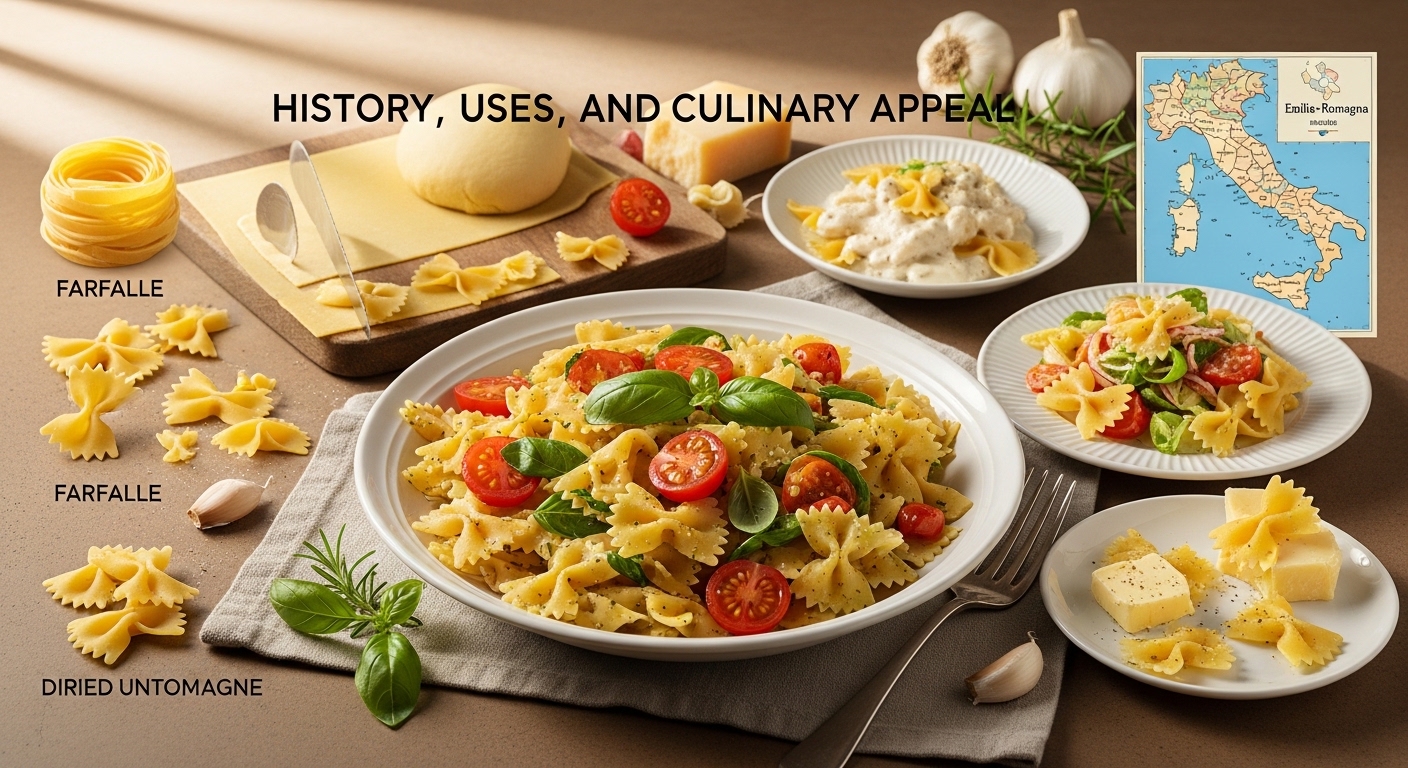
Farfalle is one of the most recognizable pasta shapes in the world, admired for its charming appearance and versatile culinary uses. Often referred to as bow tie pasta due to its distinctive shape, farfalle adds both texture and visual appeal to a wide range of dishes. Originating from Italy, this pasta variety has become popular in kitchens globally. Its unique design allows it to hold sauces effectively while maintaining a pleasant bite. Whether served in warm meals or refreshing salads, farfalle continues to be a favorite choice for home cooks and professional chefs alike.
The Origin and Meaning of Farfalle
The word farfalle means butterflies in Italian, a name inspired by the pasta’s delicate, winged shape. This pasta originated in the northern regions of Italy, particularly Lombardy and Emilia-Romagna, where creative shaping techniques were common. Traditionally made by pinching the center of a small rectangular piece of dough, farfalle was designed to combine beauty with practicality. Its structure provides both thicker and thinner sections, offering varied texture when cooked. Over time, farfalle spread beyond Italy and became widely embraced in international cuisine, maintaining its cultural heritage while adapting to diverse culinary traditions.
The Unique Shape and Texture of Farfalle
Farfalle stands out because of its symmetrical bow tie form, which features a pinched center and gently flared edges. This design is not only decorative but also functional. The thicker middle portion remains slightly firmer when cooked, while the thinner edges become tender. This balance creates an enjoyable texture in every bite. The ridges often found on some versions of farfalle further enhance its ability to hold sauces. The combination of shape and texture makes farfalle suitable for both creamy and light sauces, ensuring consistent flavor distribution throughout each dish.
How Farfalle Is Traditionally Made
Traditional farfalle is made from durum wheat semolina and water, forming a firm dough that can hold its shape during cooking. The dough is rolled into thin sheets and cut into small rectangles before being pinched at the center. In artisanal production, this process may still be done by hand, preserving its authentic character. Industrial production uses specialized machines to replicate the traditional method efficiently. The pasta is then dried carefully to maintain quality and texture. This preparation ensures that farfalle cooks evenly and retains its signature shape when boiled.
Popular Dishes Featuring Farfalle
Farfalle is commonly used in a variety of classic and modern recipes. It pairs exceptionally well with creamy sauces such as Alfredo or light tomato-based preparations. Many chefs incorporate farfalle into pasta salads with vegetables, herbs, and vinaigrette dressing, as its shape adds visual appeal. It also works beautifully in baked dishes combined with cheese and vegetables. Because of its balanced texture, farfalle complements both delicate seafood sauces and hearty meat-based recipes. Its adaptability has contributed significantly to its popularity in international kitchens.
Nutritional Value of Farfalle
Farfalle, like most pasta made from durum wheat semolina, provides carbohydrates that serve as an important energy source. It also contains moderate amounts of protein and small quantities of essential minerals. Whole wheat versions of farfale offer additional fiber, supporting digestive health. When paired with vegetables, lean proteins, and healthy fats, farfale can form part of a balanced meal. Portion control and ingredient selection play key roles in maintaining nutritional balance. By combining farfale with nutrient-rich ingredients, individuals can enjoy satisfying meals while meeting dietary goals.
Tips for Cooking Farfalle Perfectly
Cooking farfale properly ensures the best texture and flavor. It should be boiled in generously salted water to enhance taste. Stirring occasionally during cooking prevents sticking and ensures even heat distribution. Following the recommended cooking time on the package helps achieve an al dente texture, where the pasta remains slightly firm at the center. Draining promptly after cooking prevents over-softening. For cold salads, rinsing briefly under cool water stops the cooking process. Proper preparation highlights the unique qualities of farfale and enhances overall dish quality.
Farfalle in Modern Global Cuisine
Farfalle has successfully transitioned from traditional Italian kitchens to global culinary trends. It appears in fusion dishes that combine diverse flavors and ingredients from different cultures. Chefs often use farfale in creative presentations due to its attractive shape. Its versatility makes it suitable for vegetarian dishes, seafood recipes, and meat-based sauces alike. The pasta’s universal appeal lies in its adaptability to local tastes and ingredients. As global cuisine continues to evolve, farfale remains a reliable and visually appealing choice for innovative meal preparation.
Storing and Preserving Farfalle
Proper storage helps maintain the quality of farfale before and after cooking. Dried farfale should be kept in an airtight container in a cool, dry place to prevent moisture exposure. Once cooked, it can be refrigerated in sealed containers for several days. Reheating gently preserves texture and flavor. Avoiding excessive moisture ensures that the pasta retains its structural integrity. By following appropriate storage methods, individuals can extend shelf life and minimize food waste. Careful preservation maintains the taste and consistency that make farfale enjoyable.
Why Farfalle Remains a Timeless Favorite
Farfale continues to be a favorite pasta shape because it combines aesthetic charm with culinary practicality. Its distinctive form enhances both presentation and texture, making it suitable for countless recipes. The balance between tradition and versatility allows farfale to remain relevant across generations and cultures. Whether featured in a simple home-cooked meal or an elegant restaurant dish, it consistently delivers satisfying results. Its adaptability ensures ongoing popularity in both classic and contemporary cuisine.
Conclusion
Farfalle is more than just a decorative pasta shape. Its rich Italian origins, balanced texture, and versatile applications make it a staple in kitchens worldwide. From traditional recipes to modern culinary innovations, farfale continues to delight with its flavor and visual appeal.



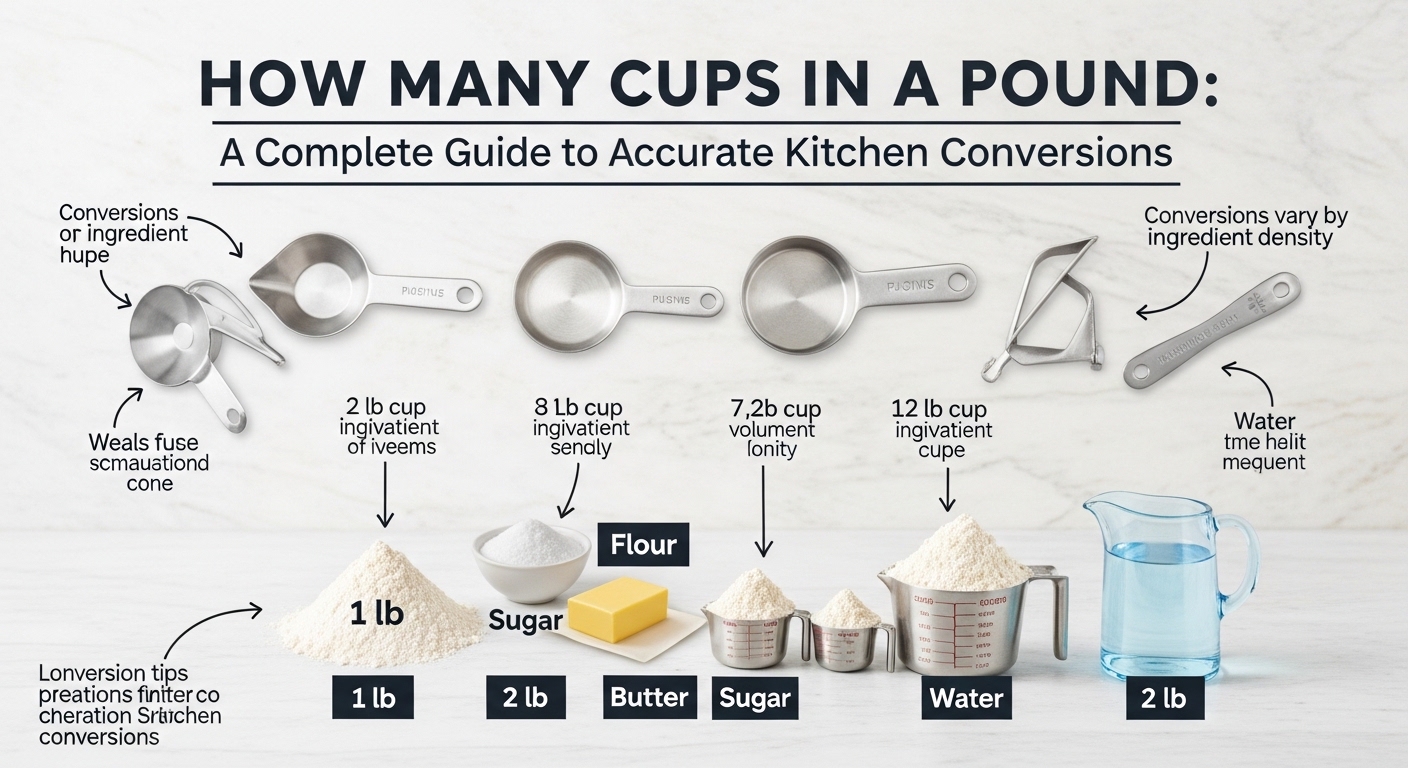
Understanding kitchen measurements can make the difference between a perfect recipe and a disappointing result. Many home cooks often wonder how many cups in a pound, especially when recipes use different measurement systems. While pounds measure weight and cups measure volume, the conversion between them depends entirely on the ingredient being used. Flour, sugar, butter, and other items each have different densities, which means there is no single universal answer. Learning how these measurements relate helps improve accuracy, reduce waste, and build confidence in the kitchen. Everything you need to know about converting pounds to cups correctly.
Why Pounds and Cups Measure Different Things
To understand how many cups in a pound, it is important to recognize the difference between weight and volume. A pound is a unit of weight that measures how heavy something is, while a cup measures the amount of space an ingredient occupies. Because ingredients vary in density, a pound of one item may take up more or less space than a pound of another. For example, a pound of feathers occupies far more volume than a pound of sugar. This difference explains why conversions are not consistent across all ingredients and must be calculated individually.
How Many Cups in a Pound of Flour
When discussing how many cups in a pound of flour, the typical answer depends on the type of flour and how it is measured. For all purpose flour, one pound generally equals about three and one third cups when spooned and leveled properly. However, if flour is scooped directly from the bag, it can become compacted, resulting in less volume per pound. Sifting also changes the measurement slightly by adding air. Precision matters greatly in baking, so weighing flour with a kitchen scale often produces more consistent results than relying solely on cup measurements.
How Many Cups in a Pound of Sugar
The answer to how many cups in a pound of sugar varies based on whether the sugar is granulated, powdered, or brown. A pound of granulated sugar usually equals about two and one quarter cups. Powdered sugar, which is lighter and finer, typically yields around three and three quarters cups per pound. Brown sugar depends on whether it is packed firmly or loosely into the measuring cup. Because sugar crystals differ in size and moisture content, accurate measuring techniques help maintain recipe balance and prevent overly sweet or dense baked goods.
Converting Butter from Pounds to Cups
Butter offers a simpler example when asking how many cups in a pound. One pound of butter equals two cups, since butter is commonly sold in sticks with clear markings. In many countries, one stick of butter equals half a cup, and four sticks make up one pound. This consistent packaging makes butter conversions easier than many dry ingredients. However, temperature can influence measurement slightly, especially if butter is melted. Using the marked wrappers or a scale ensures precise measurement, particularly in baking recipes that require exact fat proportions.
How Ingredient Density Affects Conversions
Ingredient density plays a central role in determining how many cups in a pound. Dense ingredients such as honey or peanut butter weigh more per cup compared to lighter ingredients like oats or shredded coconut. This means a pound of honey will produce fewer cups than a pound of oats. Moisture content also impacts density, particularly with brown sugar or freshly grated cheese. Understanding these variations helps cooks adjust recipes correctly. Relying on ingredient specific conversion references or weighing ingredients directly often provides the most reliable results in professional and home kitchens alike.
Liquid Ingredients and Pound to Cup Conversion
Liquids introduce another layer of complexity when calculating how many cups in a pound. Water offers a straightforward reference point because one pound of water equals approximately two cups. This relationship works because water has a consistent density. However, other liquids such as milk or oil have slightly different densities, which can alter the cup equivalent per pound. Although the difference may seem small, it can affect delicate recipes like custards or sauces. For consistent outcomes, many chefs prefer weighing liquids rather than converting them to cups.
The Importance of Accurate Measuring Techniques
Even when you know how many cups in a pound for a specific ingredient, measuring technique can change the final result. Scooping flour directly from the container compacts it, while spooning it gently into a cup keeps it lighter. Brown sugar must be packed firmly to match standard measurements. Leveling the top of a measuring cup with a straight edge ensures precision. Using a digital kitchen scale eliminates guesswork entirely and provides exact weight measurements. Developing consistent measuring habits improves recipe reliability and reduces the risk of baking failures.
When to Use Weight Instead of Volume
Many professional bakers avoid asking how many cups in a pound because they rely on weight measurements instead of volume. Weighing ingredients removes inconsistencies caused by packing, humidity, or measuring errors. Recipes written in grams or ounces offer greater precision and are easier to scale up or down. While cups remain common in some countries, weight based measurements provide better accuracy for complex recipes. Home cooks who frequently bake may benefit from adopting this method. A simple kitchen scale is affordable and can significantly improve cooking results.
Practical Tips for Everyday Cooking
In everyday cooking, knowing how many cups in a pound can still be helpful for quick estimates. For example, a pound of pasta usually equals about four cups when dry, though shapes vary. A pound of chopped vegetables might yield roughly two to three cups depending on texture and size. Keeping general approximations in mind makes meal preparation smoother. However, when precision is critical, such as in baking bread or cakes, measuring by weight remains the best approach. Balancing practical knowledge with accurate tools ensures both convenience and consistency.
Conclusion
Understanding how many cups in a pound is not about memorizing one fixed number, but about recognizing how ingredient density and measuring techniques influence conversion. Different foods produce different cup equivalents per pound, which is why careful measurement matters. Whether you are baking a cake, preparing dinner, or experimenting with new recipes, knowing when to measure by volume and when to measure by weight can greatly improve results. By combining knowledge with proper tools, you can achieve greater confidence and accuracy in the kitchen, making every recipe more successful and enjoyable.
-
 Entertainment5 months ago
OGFap Review: Pros, Cons, and User Experience
-
 Fashion4 months ago
Comme des Garcons: The Iconic Avant-Garde Fashion Brand
-
 Blog5 months ago
i̇ns: Exploring Its Meaning, Values, and Modern Impact
-
 Blog5 months ago
鲁Q 669FD License Plate Lookup – Car History & Vehicle Records
-
 Uncategorized6 months ago
Manga18fz: A Complete Guide to the Trending Manga Platform
-
 Fashion4 months ago
Custom Jersey Printing: Designing Your Team’s Identity with SeamJersey
-
 Life Style4 months ago
The Ultimate Guide to Halloween Contacts for Eyes: Everything You Need to Transform into Your Darkest Character
-
 Technology6 months ago
Simpcit6: Unlocking the Next Phase of Digital Simplicity