
Blog
Gir Wildlife Tour Package: A Complete Guide to India’s Lion Safari Experience


India is home to a rich variety of wildlife, but nothing matches the thrill of seeing Asiatic lions roaming freely in their natural habitat. The Gir Forest in Gujarat is the only place in the world where these majestic lions can be found in the wild. A well-planned Gir Wildlife Tour Package offers travelers an unforgettable journey into dense forests, open grasslands, and diverse ecosystems filled with rare flora and fauna. This guide covers everything you need to know to plan a memorable lion safari experience in Gir.
Introduction to Gir National Park
Gir National Park and Wildlife Sanctuary, also known as Sasan Gir, is spread across a vast area of dry deciduous forest, scrubland, and grasslands. Established to protect the endangered Asiatic lion, Gir has become one of India’s most important conservation success stories. Today, the park supports a healthy population of lions, leopards, hyenas, deer, crocodiles, and over 300 species of birds.
Choosing a Gir Wildlife Tour Package ensures that visitors explore the park responsibly while maximizing their chances of wildlife sightings.
Why Choose a Gir Wildlife Tour Package?
A professionally organized tour package simplifies the entire travel experience. From safari permits and accommodation to trained guides and transportation, everything is arranged in advance. This allows travelers to focus on enjoying the adventure rather than managing logistics.
A good Gir Wildlife Tour Package typically includes:
- Jeep safaris with experienced forest guides
- Comfortable stays near the forest zone
- Entry permits and safari bookings
- Visits to nearby attractions such as Ambardi Safari Park
- Local sightseeing and cultural experiences
These packages are suitable for families, wildlife photographers, nature lovers, and first-time safari travelers.
The Lion Safari Experience in Gir
The main highlight of any Gir tour is the lion safari. Safaris are conducted in open jeeps that take visitors deep into designated forest zones. Early morning and late afternoon safaris offer the best chances to spot lions resting, hunting, or interacting within their prides.
Apart from lions, travelers may also see leopards, sambar deer, nilgai, chital, wild boar, marsh crocodiles, and various bird species. Every safari is unique, making the Gir Wildlife Tour Package a thrilling and unpredictable experience.
Exploring Ambardi Safari Park
Ambardi Safari Park is an important extension of the Gir wildlife region and is gaining popularity among travelers seeking an alternative safari experience. Located near Dhari town, Ambardi is part of the larger lion conservation area and offers excellent opportunities to spot Asiatic lions in a more open and less crowded environment.
Including Ambardi Safari Park in your itinerary adds depth to your Gir journey. The park is known for its scenic landscapes, peaceful surroundings, and frequent lion sightings. Many tour operators now combine Gir National Park and Ambardi Safari Park in a single Gir Wildlife Tour Package to enhance the overall safari experience.
Best Time to Visit Gir National Park
The best time to book a Gir Wildlife Tour Package is from October to March, when the weather is pleasant and wildlife sightings are frequent. During winter months, animals are more active during the day, increasing the chances of sightings.
The park remains closed from mid-June to mid-October due to the monsoon season. Summer months (April to mid-June) can be very hot, but they also offer good chances to see animals near water sources.
Accommodation Options Near Gir
There are various accommodation choices near Gir National Park, ranging from luxury resorts to budget-friendly hotels and forest lodges. Most Gir Wildlife Tour Packages include stays that are close to safari entry points for convenience.
Popular accommodation options often provide:
- Nature-inspired cottages or rooms
- Local Gujarati cuisine
- Guided nature walks
- Cultural performances and village visits
Staying close to the forest enhances the overall wildlife experience and allows travelers to connect with nature.
Responsible Wildlife Tourism in Gir
Conservation is at the heart of Gir’s success. Visitors are encouraged to follow park rules, maintain silence during safaris, and avoid disturbing animals. Choosing a responsible Gir Wildlife Tour Package supports local communities and conservation efforts while ensuring sustainable tourism.
Avoid feeding animals, littering, or straying from designated safari routes. Respecting wildlife ensures that future generations can continue to enjoy the magic of Gir.
Other Attractions Around Gir
Apart from safaris, travelers can explore nearby attractions such as:
- Devalia Interpretation Zone for educational tours
- Crocodile breeding centers
- Local tribal villages to understand regional culture
- Temples and scenic viewpoints
Many Gir Wildlife Tour Package itineraries include these attractions for a well-rounded travel experience.
Tips for a Memorable Gir Wildlife Tour
- Book safaris and packages well in advance, especially during peak season
- Carry binoculars and cameras with zoom lenses
- Wear light, earthy-colored clothing
- Follow the guide’s instructions strictly
- Keep patience—wildlife sightings depend on nature
Including Ambardi Safari Park in your tour increases your chances of memorable lion encounters.
Conclusion
A Gir Wildlife Tour Package offers far more than just a safari—it provides a deep connection with nature, wildlife conservation, and India’s unique ecological heritage. From thrilling lion sightings in Gir National Park to peaceful explorations at Ambardi Safari Park, the experience is both exciting and educational.
Whether you are a wildlife enthusiast, photographer, or traveler seeking a unique adventure, Gir promises an unforgettable journey into the world of Asiatic lions and natural beauty. Planning the right tour package ensures comfort, safety, and a truly enriching safari experience in one of India’s most iconic wildlife destinations.

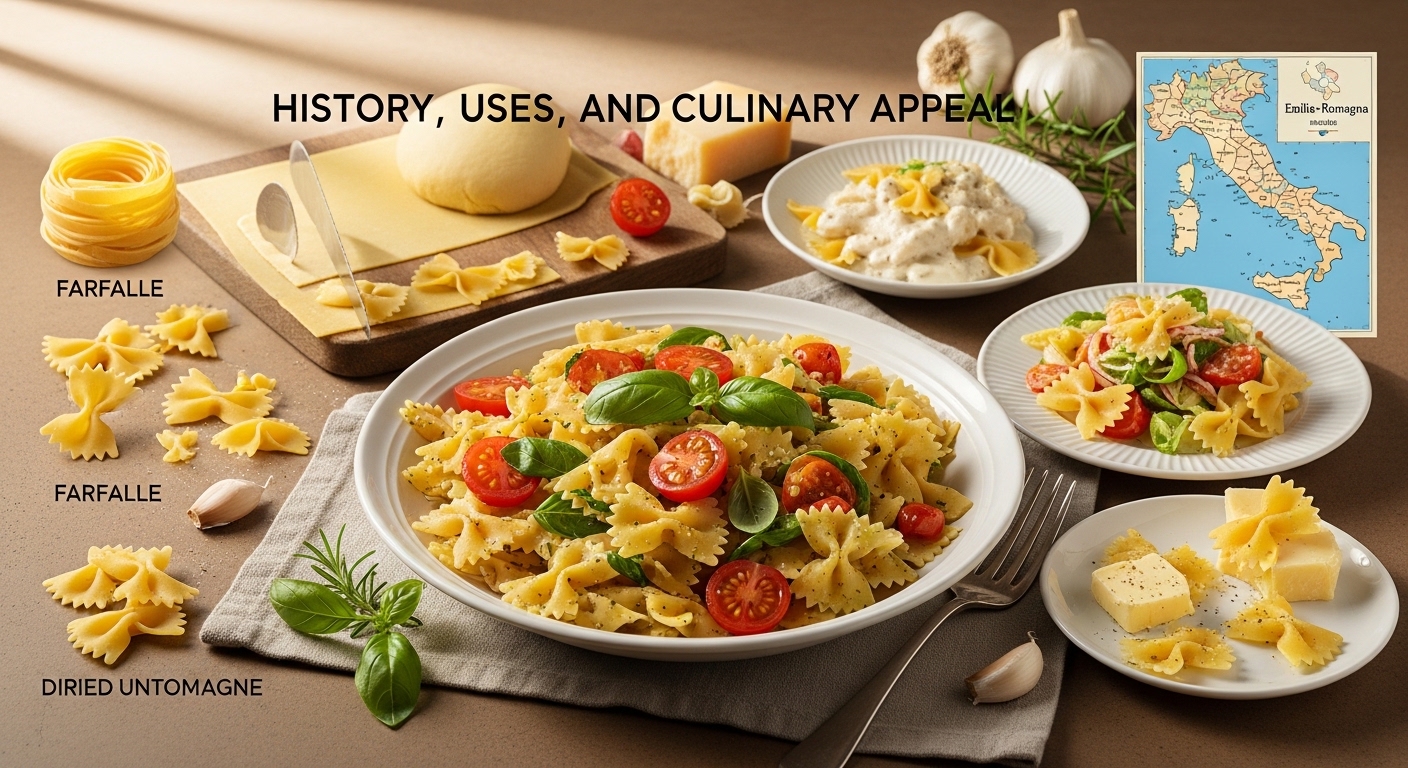
Farfalle is one of the most recognizable pasta shapes in the world, admired for its charming appearance and versatile culinary uses. Often referred to as bow tie pasta due to its distinctive shape, farfalle adds both texture and visual appeal to a wide range of dishes. Originating from Italy, this pasta variety has become popular in kitchens globally. Its unique design allows it to hold sauces effectively while maintaining a pleasant bite. Whether served in warm meals or refreshing salads, farfalle continues to be a favorite choice for home cooks and professional chefs alike.
The Origin and Meaning of Farfalle
The word farfalle means butterflies in Italian, a name inspired by the pasta’s delicate, winged shape. This pasta originated in the northern regions of Italy, particularly Lombardy and Emilia-Romagna, where creative shaping techniques were common. Traditionally made by pinching the center of a small rectangular piece of dough, farfalle was designed to combine beauty with practicality. Its structure provides both thicker and thinner sections, offering varied texture when cooked. Over time, farfalle spread beyond Italy and became widely embraced in international cuisine, maintaining its cultural heritage while adapting to diverse culinary traditions.
The Unique Shape and Texture of Farfalle
Farfalle stands out because of its symmetrical bow tie form, which features a pinched center and gently flared edges. This design is not only decorative but also functional. The thicker middle portion remains slightly firmer when cooked, while the thinner edges become tender. This balance creates an enjoyable texture in every bite. The ridges often found on some versions of farfalle further enhance its ability to hold sauces. The combination of shape and texture makes farfalle suitable for both creamy and light sauces, ensuring consistent flavor distribution throughout each dish.
How Farfalle Is Traditionally Made
Traditional farfalle is made from durum wheat semolina and water, forming a firm dough that can hold its shape during cooking. The dough is rolled into thin sheets and cut into small rectangles before being pinched at the center. In artisanal production, this process may still be done by hand, preserving its authentic character. Industrial production uses specialized machines to replicate the traditional method efficiently. The pasta is then dried carefully to maintain quality and texture. This preparation ensures that farfalle cooks evenly and retains its signature shape when boiled.
Popular Dishes Featuring Farfalle
Farfalle is commonly used in a variety of classic and modern recipes. It pairs exceptionally well with creamy sauces such as Alfredo or light tomato-based preparations. Many chefs incorporate farfalle into pasta salads with vegetables, herbs, and vinaigrette dressing, as its shape adds visual appeal. It also works beautifully in baked dishes combined with cheese and vegetables. Because of its balanced texture, farfalle complements both delicate seafood sauces and hearty meat-based recipes. Its adaptability has contributed significantly to its popularity in international kitchens.
Nutritional Value of Farfalle
Farfalle, like most pasta made from durum wheat semolina, provides carbohydrates that serve as an important energy source. It also contains moderate amounts of protein and small quantities of essential minerals. Whole wheat versions of farfale offer additional fiber, supporting digestive health. When paired with vegetables, lean proteins, and healthy fats, farfale can form part of a balanced meal. Portion control and ingredient selection play key roles in maintaining nutritional balance. By combining farfale with nutrient-rich ingredients, individuals can enjoy satisfying meals while meeting dietary goals.
Tips for Cooking Farfalle Perfectly
Cooking farfale properly ensures the best texture and flavor. It should be boiled in generously salted water to enhance taste. Stirring occasionally during cooking prevents sticking and ensures even heat distribution. Following the recommended cooking time on the package helps achieve an al dente texture, where the pasta remains slightly firm at the center. Draining promptly after cooking prevents over-softening. For cold salads, rinsing briefly under cool water stops the cooking process. Proper preparation highlights the unique qualities of farfale and enhances overall dish quality.
Farfalle in Modern Global Cuisine
Farfalle has successfully transitioned from traditional Italian kitchens to global culinary trends. It appears in fusion dishes that combine diverse flavors and ingredients from different cultures. Chefs often use farfale in creative presentations due to its attractive shape. Its versatility makes it suitable for vegetarian dishes, seafood recipes, and meat-based sauces alike. The pasta’s universal appeal lies in its adaptability to local tastes and ingredients. As global cuisine continues to evolve, farfale remains a reliable and visually appealing choice for innovative meal preparation.
Storing and Preserving Farfalle
Proper storage helps maintain the quality of farfale before and after cooking. Dried farfale should be kept in an airtight container in a cool, dry place to prevent moisture exposure. Once cooked, it can be refrigerated in sealed containers for several days. Reheating gently preserves texture and flavor. Avoiding excessive moisture ensures that the pasta retains its structural integrity. By following appropriate storage methods, individuals can extend shelf life and minimize food waste. Careful preservation maintains the taste and consistency that make farfale enjoyable.
Why Farfalle Remains a Timeless Favorite
Farfale continues to be a favorite pasta shape because it combines aesthetic charm with culinary practicality. Its distinctive form enhances both presentation and texture, making it suitable for countless recipes. The balance between tradition and versatility allows farfale to remain relevant across generations and cultures. Whether featured in a simple home-cooked meal or an elegant restaurant dish, it consistently delivers satisfying results. Its adaptability ensures ongoing popularity in both classic and contemporary cuisine.
Conclusion
Farfalle is more than just a decorative pasta shape. Its rich Italian origins, balanced texture, and versatile applications make it a staple in kitchens worldwide. From traditional recipes to modern culinary innovations, farfale continues to delight with its flavor and visual appeal.

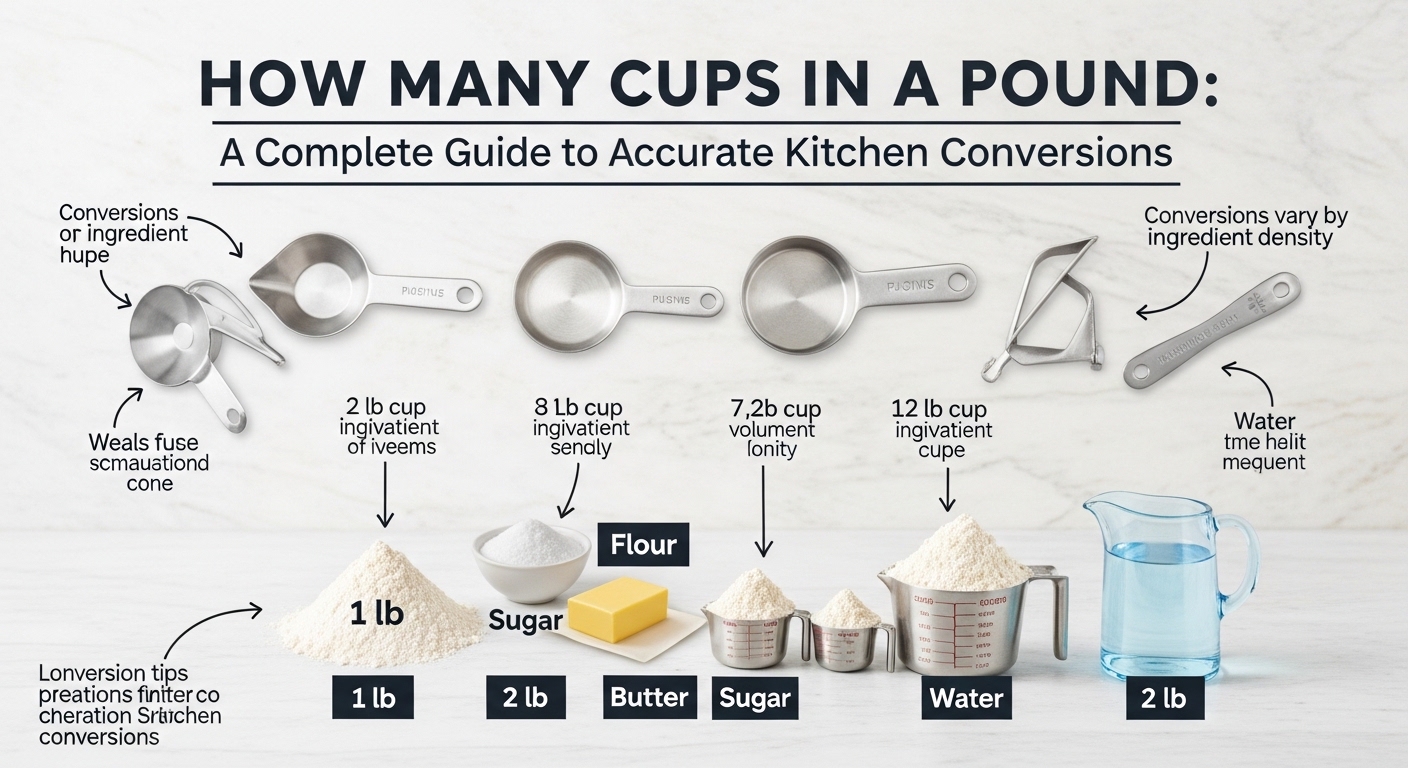
Understanding kitchen measurements can make the difference between a perfect recipe and a disappointing result. Many home cooks often wonder how many cups in a pound, especially when recipes use different measurement systems. While pounds measure weight and cups measure volume, the conversion between them depends entirely on the ingredient being used. Flour, sugar, butter, and other items each have different densities, which means there is no single universal answer. Learning how these measurements relate helps improve accuracy, reduce waste, and build confidence in the kitchen. Everything you need to know about converting pounds to cups correctly.
Why Pounds and Cups Measure Different Things
To understand how many cups in a pound, it is important to recognize the difference between weight and volume. A pound is a unit of weight that measures how heavy something is, while a cup measures the amount of space an ingredient occupies. Because ingredients vary in density, a pound of one item may take up more or less space than a pound of another. For example, a pound of feathers occupies far more volume than a pound of sugar. This difference explains why conversions are not consistent across all ingredients and must be calculated individually.
How Many Cups in a Pound of Flour
When discussing how many cups in a pound of flour, the typical answer depends on the type of flour and how it is measured. For all purpose flour, one pound generally equals about three and one third cups when spooned and leveled properly. However, if flour is scooped directly from the bag, it can become compacted, resulting in less volume per pound. Sifting also changes the measurement slightly by adding air. Precision matters greatly in baking, so weighing flour with a kitchen scale often produces more consistent results than relying solely on cup measurements.
How Many Cups in a Pound of Sugar
The answer to how many cups in a pound of sugar varies based on whether the sugar is granulated, powdered, or brown. A pound of granulated sugar usually equals about two and one quarter cups. Powdered sugar, which is lighter and finer, typically yields around three and three quarters cups per pound. Brown sugar depends on whether it is packed firmly or loosely into the measuring cup. Because sugar crystals differ in size and moisture content, accurate measuring techniques help maintain recipe balance and prevent overly sweet or dense baked goods.
Converting Butter from Pounds to Cups
Butter offers a simpler example when asking how many cups in a pound. One pound of butter equals two cups, since butter is commonly sold in sticks with clear markings. In many countries, one stick of butter equals half a cup, and four sticks make up one pound. This consistent packaging makes butter conversions easier than many dry ingredients. However, temperature can influence measurement slightly, especially if butter is melted. Using the marked wrappers or a scale ensures precise measurement, particularly in baking recipes that require exact fat proportions.
How Ingredient Density Affects Conversions
Ingredient density plays a central role in determining how many cups in a pound. Dense ingredients such as honey or peanut butter weigh more per cup compared to lighter ingredients like oats or shredded coconut. This means a pound of honey will produce fewer cups than a pound of oats. Moisture content also impacts density, particularly with brown sugar or freshly grated cheese. Understanding these variations helps cooks adjust recipes correctly. Relying on ingredient specific conversion references or weighing ingredients directly often provides the most reliable results in professional and home kitchens alike.
Liquid Ingredients and Pound to Cup Conversion
Liquids introduce another layer of complexity when calculating how many cups in a pound. Water offers a straightforward reference point because one pound of water equals approximately two cups. This relationship works because water has a consistent density. However, other liquids such as milk or oil have slightly different densities, which can alter the cup equivalent per pound. Although the difference may seem small, it can affect delicate recipes like custards or sauces. For consistent outcomes, many chefs prefer weighing liquids rather than converting them to cups.
The Importance of Accurate Measuring Techniques
Even when you know how many cups in a pound for a specific ingredient, measuring technique can change the final result. Scooping flour directly from the container compacts it, while spooning it gently into a cup keeps it lighter. Brown sugar must be packed firmly to match standard measurements. Leveling the top of a measuring cup with a straight edge ensures precision. Using a digital kitchen scale eliminates guesswork entirely and provides exact weight measurements. Developing consistent measuring habits improves recipe reliability and reduces the risk of baking failures.
When to Use Weight Instead of Volume
Many professional bakers avoid asking how many cups in a pound because they rely on weight measurements instead of volume. Weighing ingredients removes inconsistencies caused by packing, humidity, or measuring errors. Recipes written in grams or ounces offer greater precision and are easier to scale up or down. While cups remain common in some countries, weight based measurements provide better accuracy for complex recipes. Home cooks who frequently bake may benefit from adopting this method. A simple kitchen scale is affordable and can significantly improve cooking results.
Practical Tips for Everyday Cooking
In everyday cooking, knowing how many cups in a pound can still be helpful for quick estimates. For example, a pound of pasta usually equals about four cups when dry, though shapes vary. A pound of chopped vegetables might yield roughly two to three cups depending on texture and size. Keeping general approximations in mind makes meal preparation smoother. However, when precision is critical, such as in baking bread or cakes, measuring by weight remains the best approach. Balancing practical knowledge with accurate tools ensures both convenience and consistency.
Conclusion
Understanding how many cups in a pound is not about memorizing one fixed number, but about recognizing how ingredient density and measuring techniques influence conversion. Different foods produce different cup equivalents per pound, which is why careful measurement matters. Whether you are baking a cake, preparing dinner, or experimenting with new recipes, knowing when to measure by volume and when to measure by weight can greatly improve results. By combining knowledge with proper tools, you can achieve greater confidence and accuracy in the kitchen, making every recipe more successful and enjoyable.


My neighbor’s kid bombed the HSPT last year. Straight-A student, honor roll every semester, and she walked out of that testing room looking like she’d seen a ghost. Her mom kept saying, “But she’s so smart — how did this happen?”
I hear that story more often than you’d think.
The High School Placement Test trips up a lot of families because they confuse classroom success with test readiness. Those are not the same thing. Not even close. The HSPT throws 298 questions at a kid across five different sections — verbal, quantitative, reading, math, and language — and the clock does not care how many gold stars they’ve collected.
The “We’ll Start Next Month” Trap
Here’s what usually happens. Parents hear about the HSPT sometime in September or October. They figure they’ve got plenty of time. Then Halloween rolls around, Thanksgiving sneaks up, and suddenly the test is three weeks away and nobody has cracked open a single prep book.
You can’t cram for this one. Seriously. The HSPT isn’t testing whether your kid memorized a formula last Tuesday. It’s measuring how quickly they can reason through problems, catch patterns, and comprehend dense passages under time pressure. That kind of mental stamina takes weeks to build — not a panicked weekend with flashcards and coffee.
Two to three months of steady prep is the sweet spot. Not intense boot camp stuff, just consistent daily work that gradually sharpens the skills that actually get tested.
Knowing the Test Is Half the Battle
Something I wish someone had told me earlier: content knowledge only gets you so far. The kids who score well almost always have one thing in common — they already know what the test looks like before they sit down.
That’s where practice tests come in. And I don’t mean random quiz apps or generic question sets you find floating around the internet. I mean structured, timed, full-length mock exams that mirror the real deal. When a student has already sat through a simulation that feels like the actual test, they walk into the real one calmer and sharper.
One resource I’ve pointed a few families toward is this HSPT practice test — it’s well-organized and gives kids a realistic feel for pacing and question difficulty. That kind of familiarity is honestly worth more than another hour of textbook review.
The Little Things That Actually Move the Needle
Forget expensive tutoring programs for a second. Some of the most effective prep habits cost absolutely nothing.
Get your kid reading. Real reading — not TikTok captions or group chat messages. Actual articles, books, anything with paragraphs longer than two sentences. Reading comprehension improves through volume, not tricks. Twenty minutes a day does more than people realize.
For math, speed matters more than complexity. The HSPT isn’t throwing calculus at eighth graders. It’s checking whether they can do straightforward arithmetic quickly and without silly mistakes. Mental math drills, timed problem sets, that sort of thing. Boring? Sure. Effective? Absolutely.
Choosing the Right Prep Materials in 2026
There’s no shortage of study tools out there, and honestly, most of them are mediocre. The biggest mistake I see families make during any practice test 2026 cycle is grabbing whatever shows up first on Google and assuming it’s good enough.
It’s not always good enough.
Look for materials that match the actual HSPT format — same number of sections, similar question styles, comparable difficulty. Generic “test prep” resources that cover twelve different exams in one app are usually too watered down to help with anything specific.
One Last Thing
Nobody’s kid is going to fail the HSPT because they’re not smart enough. They failed because they weren’t ready for that particular test. There’s a massive difference. Start early, keep it consistent, use the right tools, and let your kid build the kind of confidence that only comes from preparation — not last-minute panic.
Trust me on that one.
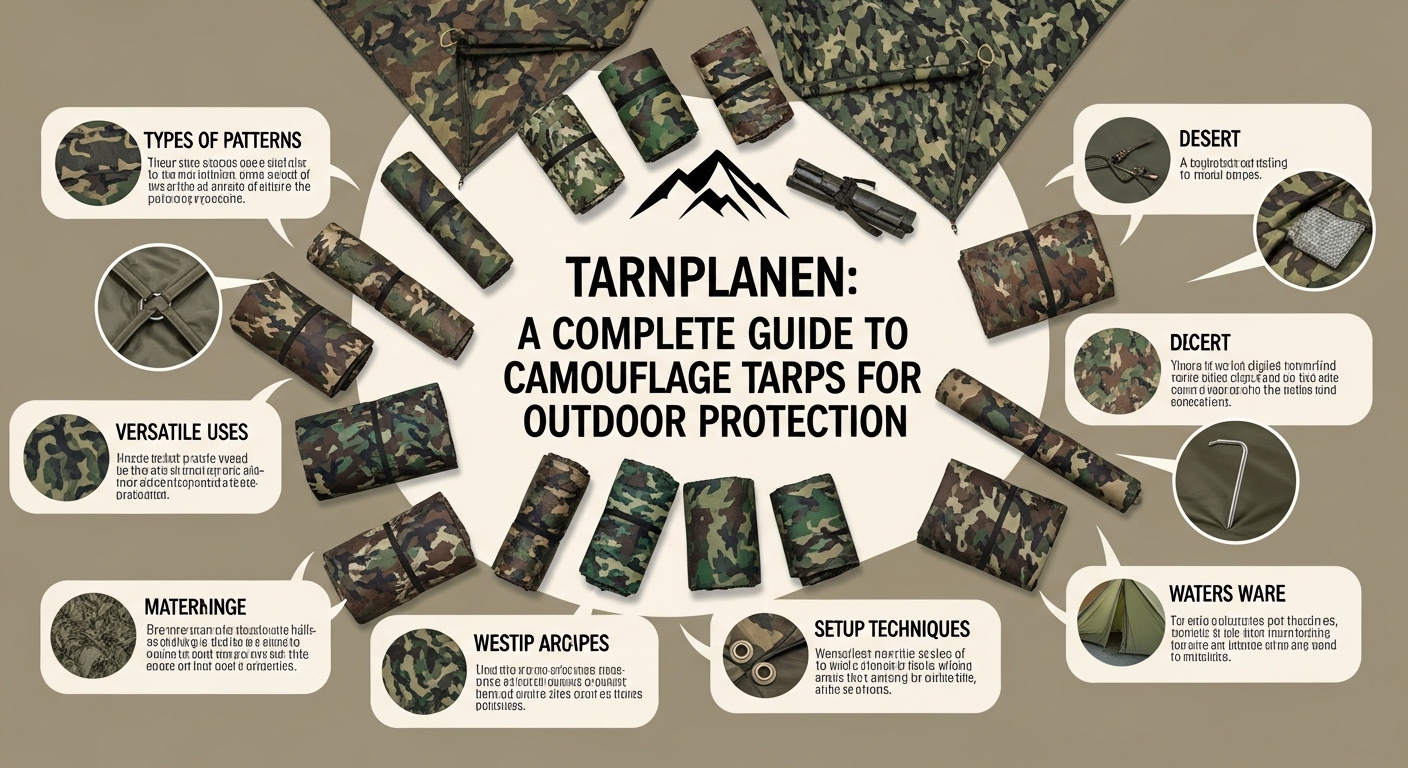
When spending time outdoors, reliable protection from weather and visibility is essential. Tarnplanen, commonly known as camouflage tarps, offer a practical solution for shielding equipment, vehicles, and temporary shelters. Designed with patterned surfaces that blend into natural surroundings, tarnplanen are widely used in camping, hunting, construction, and tactical environments. Beyond camouflage, these durable covers provide resistance against rain, wind, and sunlight. Understanding the features, materials, and practical applications of tarnplanen helps users choose the right option for their specific needs while ensuring long-term performance and dependable outdoor protection.
Understanding What Tarnplanen Are
Tarnplanen are specialized tarpaulins designed with camouflage patterns to reduce visual detection in outdoor settings. Unlike standard tarps, these covers combine protective material with printed designs that mimic forests, deserts, or other natural environments. The primary function of tarnplanen is concealment, but they also serve as weather-resistant barriers. Made from reinforced fabrics such as polyethylene or polyester, they are engineered to withstand outdoor conditions. Whether used for temporary shelters or covering valuable equipment, tarnplanen offer a balance between durability and discretion, making them suitable for both professional and recreational use.
Materials Used in High-Quality Tarnplanen
The effectiveness of tarnplanen largely depends on the materials used in their construction. Most high-quality options are crafted from durable polyethylene or coated polyester fabrics. These materials provide water resistance, tear strength, and UV protection. Reinforced edges and rust-resistant eyelets enhance structural stability and make installation easier. Some advanced tarnplanen include additional coatings to improve fire resistance or temperature tolerance. The choice of material affects flexibility, weight, and overall lifespan. By selecting durable and weather-resistant fabrics, users can ensure that their tarnplanen perform reliably under challenging environmental conditions.
Common Applications of Tarnplanen
Tarnplanen serve a wide range of practical applications across various industries. In camping and outdoor recreation, they function as ground covers, tent extensions, or rain shelters. Hunters use tarnplanen to create concealed observation points that blend into the surrounding landscape. Construction sites rely on these tarps to protect materials from weather exposure while maintaining visual discretion. Military and tactical operations also incorporate tarnplanen for camouflage and equipment protection. Their versatility makes them valuable tools in situations where concealment and durability are equally important.
Weather Resistance and Protective Features
One of the most important benefits of tarnplanen is their ability to protect against environmental elements. These tarps are typically waterproof or highly water-resistant, preventing moisture from damaging covered objects. UV-resistant coatings reduce sun damage and extend product lifespan. Many tarnplanen are also wind-resistant when properly secured, maintaining stability in outdoor conditions. Reinforced seams prevent tearing under tension. By combining camouflage with robust protective properties, tarnplanen provide reliable coverage that supports long-term outdoor use in varying climates and terrain types.
Choosing the Right Tarnplanen for Your Needs
Selecting suitable tarnplanen requires careful consideration of size, thickness, and intended use. Larger tarps are ideal for covering vehicles or creating spacious shelters, while smaller versions may suffice for equipment protection. Thickness determines durability, with heavier options offering greater resistance to tearing and weather stress. Pattern selection should match the surrounding environment for effective camouflage. Lightweight tarnplanen are easier to transport, whereas reinforced versions provide enhanced strength. Evaluating these factors ensures that the chosen tarp aligns with practical requirements and delivers consistent performance.
Proper Installation and Maintenance
To maximize the lifespan of tarnplanen, correct installation and regular maintenance are essential. Secure attachment using durable ropes or bungee cords helps maintain tension and prevents flapping in strong winds. Avoiding sharp edges reduces the risk of punctures. After use, cleaning the tarp with mild water and allowing it to dry completely prevents mold and material degradation. Storing tarnplanen in a cool, dry place protects them from unnecessary wear. Consistent care ensures that camouflage patterns remain intact and the protective properties continue to function effectively over time.
Environmental Considerations and Sustainability
As environmental awareness grows, the sustainability of outdoor equipment becomes increasingly important. Some tarnplanen manufacturers now focus on recyclable materials and reduced chemical coatings. Durable construction also contributes to sustainability by minimizing the need for frequent replacement. Proper disposal and recycling practices help reduce environmental impact. Users can support eco-friendly initiatives by choosing long-lasting tarnplanen made from responsibly sourced materials. Balancing performance with environmental responsibility ensures that camouflage solutions align with broader sustainability goals while maintaining reliable protection.
Advantages of Tarnplanen Over Standard Tarps
Compared to standard tarps, tarnplanen offer unique advantages that extend beyond basic coverage. The camouflage design provides concealment in natural environments, making them suitable for specialized activities. Enhanced reinforcement and weather resistance add value in demanding conditions. Tarnplanen often feature stronger stitching and edge support to withstand outdoor stress. Their adaptability across recreational, professional, and tactical contexts highlights their multifunctional nature. While traditional tarps serve general purposes, tarnplanen combine protection with strategic design, offering a practical solution where visibility and durability matter most.
Future Trends in Tarnplanen Design
Innovation continues to influence the development of tarnplanen. Manufacturers are exploring lighter yet stronger materials that improve portability without sacrificing durability. Advanced camouflage patterns tailored to specific landscapes enhance concealment effectiveness. Improved waterproof coatings and eco-friendly production methods are also shaping the future of these products. Technological integration, such as heat-reflective surfaces, may further expand their applications. As outdoor activities and professional requirements evolve, tarnplanen will likely continue adapting to meet new demands while maintaining their core function of reliable protection and camouflage.
Conclusion
Tarnplanen provide a versatile and dependable solution for outdoor protection and concealment. Combining durable materials with effective camouflage patterns, they serve diverse purposes across recreational and professional environments. By selecting appropriate materials, ensuring proper installation, and maintaining them carefully, users can maximize performance and longevity. As innovation and sustainability influence future designs, tarnplanen remain an essential tool for those seeking practical, weather-resistant, and discreet coverage in outdoor settings.


-
 Entertainment5 months ago
OGFap Review: Pros, Cons, and User Experience
-
 Fashion4 months ago
Comme des Garcons: The Iconic Avant-Garde Fashion Brand
-
 Blog5 months ago
i̇ns: Exploring Its Meaning, Values, and Modern Impact
-
 Blog5 months ago
鲁Q 669FD License Plate Lookup – Car History & Vehicle Records
-
 Uncategorized5 months ago
Manga18fz: A Complete Guide to the Trending Manga Platform
-
 Life Style4 months ago
The Ultimate Guide to Halloween Contacts for Eyes: Everything You Need to Transform into Your Darkest Character
-
 Fashion4 months ago
Custom Jersey Printing: Designing Your Team’s Identity with SeamJersey
-
 Technology6 months ago
Simpcit6: Unlocking the Next Phase of Digital Simplicity