
Blog
Paula Profit and Her Recognition in Business and Public Interest


Paula Profit is a name that often attracts curiosity due to her association with business success and public attention. Over time, individuals connected to entrepreneurship or notable achievements naturally become subjects of interest. Paula Profit represents how personal identity and professional recognition can create lasting visibility in public discussions.
Background and Early Recognition
Paula Profit gained recognition through her professional journey and associations that placed her in the public eye. Her early experiences reflect ambition, discipline, and the ability to navigate competitive environments. These qualities contributed to her growing reputation and sparked interest among people seeking to understand her path to success.
Paula Profit and Business Awareness
The name paula profit is often connected with business awareness and entrepreneurial thinking. Her journey highlights the importance of strategic planning and resilience in achieving professional goals. This connection makes her a point of reference for individuals interested in learning from real-world success stories.
Public Interest and Media Attention
Public interest in paula profit has been sustained through discussions, searches, and mentions over time. Media attention often follows individuals who demonstrate strong leadership or achieve recognition through their work. This ongoing interest reflects how public figures remain relevant beyond a single phase of their careers.
Influence on Entrepreneurial Mindset
Paula Profit’s recognition contributes to broader conversations about entrepreneurship and self-made success. Her story encourages aspiring professionals to focus on growth, adaptability, and confidence. This influence is particularly meaningful for individuals seeking motivation and guidance in competitive business environments.
Why People Continue to Search for Paula Profit
People search for paula profit to understand her background, achievements, and influence. This search behavior highlights a desire for insight into successful individuals and their journeys. Curiosity around her name reflects how personal branding and professional identity shape public perception.
Legacy and Ongoing Relevance
Paula Profit’s relevance continues due to her association with success and public recognition. Whether discussed in business contexts or general interest searches, her name remains a symbol of ambition and accomplishment. This lasting presence demonstrates the impact of a strong professional identity.
Conclusion
Paula Profit represents a blend of professional success and public interest. Her recognition highlights the importance of determination, strategic thinking, and adaptability in achieving long-term relevance. As interest in entrepreneurial journeys continues, paula profit remains a name associated with ambition and achievement.




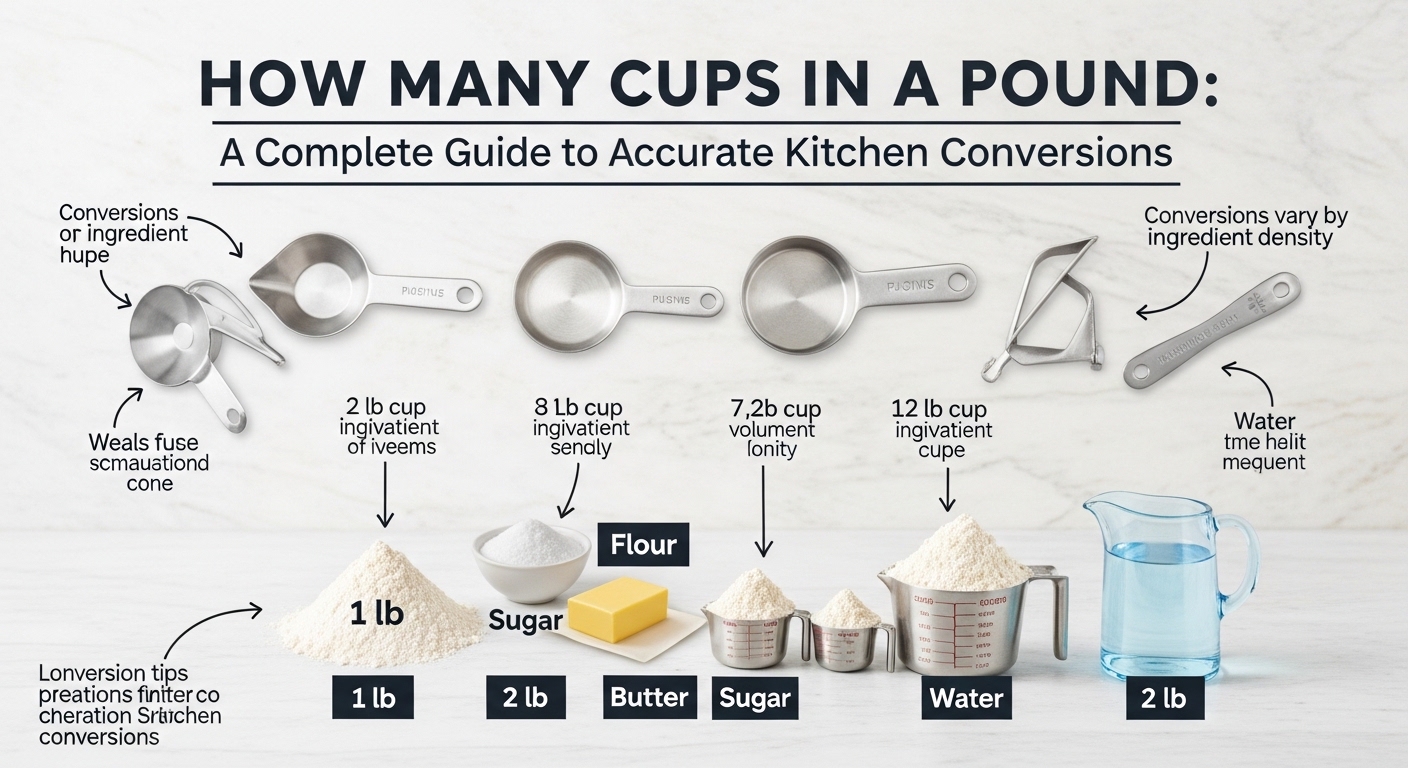
Understanding kitchen measurements can make the difference between a perfect recipe and a disappointing result. Many home cooks often wonder how many cups in a pound, especially when recipes use different measurement systems. While pounds measure weight and cups measure volume, the conversion between them depends entirely on the ingredient being used. Flour, sugar, butter, and other items each have different densities, which means there is no single universal answer. Learning how these measurements relate helps improve accuracy, reduce waste, and build confidence in the kitchen. Everything you need to know about converting pounds to cups correctly.
Why Pounds and Cups Measure Different Things
To understand how many cups in a pound, it is important to recognize the difference between weight and volume. A pound is a unit of weight that measures how heavy something is, while a cup measures the amount of space an ingredient occupies. Because ingredients vary in density, a pound of one item may take up more or less space than a pound of another. For example, a pound of feathers occupies far more volume than a pound of sugar. This difference explains why conversions are not consistent across all ingredients and must be calculated individually.
How Many Cups in a Pound of Flour
When discussing how many cups in a pound of flour, the typical answer depends on the type of flour and how it is measured. For all purpose flour, one pound generally equals about three and one third cups when spooned and leveled properly. However, if flour is scooped directly from the bag, it can become compacted, resulting in less volume per pound. Sifting also changes the measurement slightly by adding air. Precision matters greatly in baking, so weighing flour with a kitchen scale often produces more consistent results than relying solely on cup measurements.
How Many Cups in a Pound of Sugar
The answer to how many cups in a pound of sugar varies based on whether the sugar is granulated, powdered, or brown. A pound of granulated sugar usually equals about two and one quarter cups. Powdered sugar, which is lighter and finer, typically yields around three and three quarters cups per pound. Brown sugar depends on whether it is packed firmly or loosely into the measuring cup. Because sugar crystals differ in size and moisture content, accurate measuring techniques help maintain recipe balance and prevent overly sweet or dense baked goods.
Converting Butter from Pounds to Cups
Butter offers a simpler example when asking how many cups in a pound. One pound of butter equals two cups, since butter is commonly sold in sticks with clear markings. In many countries, one stick of butter equals half a cup, and four sticks make up one pound. This consistent packaging makes butter conversions easier than many dry ingredients. However, temperature can influence measurement slightly, especially if butter is melted. Using the marked wrappers or a scale ensures precise measurement, particularly in baking recipes that require exact fat proportions.
How Ingredient Density Affects Conversions
Ingredient density plays a central role in determining how many cups in a pound. Dense ingredients such as honey or peanut butter weigh more per cup compared to lighter ingredients like oats or shredded coconut. This means a pound of honey will produce fewer cups than a pound of oats. Moisture content also impacts density, particularly with brown sugar or freshly grated cheese. Understanding these variations helps cooks adjust recipes correctly. Relying on ingredient specific conversion references or weighing ingredients directly often provides the most reliable results in professional and home kitchens alike.
Liquid Ingredients and Pound to Cup Conversion
Liquids introduce another layer of complexity when calculating how many cups in a pound. Water offers a straightforward reference point because one pound of water equals approximately two cups. This relationship works because water has a consistent density. However, other liquids such as milk or oil have slightly different densities, which can alter the cup equivalent per pound. Although the difference may seem small, it can affect delicate recipes like custards or sauces. For consistent outcomes, many chefs prefer weighing liquids rather than converting them to cups.
The Importance of Accurate Measuring Techniques
Even when you know how many cups in a pound for a specific ingredient, measuring technique can change the final result. Scooping flour directly from the container compacts it, while spooning it gently into a cup keeps it lighter. Brown sugar must be packed firmly to match standard measurements. Leveling the top of a measuring cup with a straight edge ensures precision. Using a digital kitchen scale eliminates guesswork entirely and provides exact weight measurements. Developing consistent measuring habits improves recipe reliability and reduces the risk of baking failures.
When to Use Weight Instead of Volume
Many professional bakers avoid asking how many cups in a pound because they rely on weight measurements instead of volume. Weighing ingredients removes inconsistencies caused by packing, humidity, or measuring errors. Recipes written in grams or ounces offer greater precision and are easier to scale up or down. While cups remain common in some countries, weight based measurements provide better accuracy for complex recipes. Home cooks who frequently bake may benefit from adopting this method. A simple kitchen scale is affordable and can significantly improve cooking results.
Practical Tips for Everyday Cooking
In everyday cooking, knowing how many cups in a pound can still be helpful for quick estimates. For example, a pound of pasta usually equals about four cups when dry, though shapes vary. A pound of chopped vegetables might yield roughly two to three cups depending on texture and size. Keeping general approximations in mind makes meal preparation smoother. However, when precision is critical, such as in baking bread or cakes, measuring by weight remains the best approach. Balancing practical knowledge with accurate tools ensures both convenience and consistency.
Conclusion
Understanding how many cups in a pound is not about memorizing one fixed number, but about recognizing how ingredient density and measuring techniques influence conversion. Different foods produce different cup equivalents per pound, which is why careful measurement matters. Whether you are baking a cake, preparing dinner, or experimenting with new recipes, knowing when to measure by volume and when to measure by weight can greatly improve results. By combining knowledge with proper tools, you can achieve greater confidence and accuracy in the kitchen, making every recipe more successful and enjoyable.


My neighbor’s kid bombed the HSPT last year. Straight-A student, honor roll every semester, and she walked out of that testing room looking like she’d seen a ghost. Her mom kept saying, “But she’s so smart — how did this happen?”
I hear that story more often than you’d think.
The High School Placement Test trips up a lot of families because they confuse classroom success with test readiness. Those are not the same thing. Not even close. The HSPT throws 298 questions at a kid across five different sections — verbal, quantitative, reading, math, and language — and the clock does not care how many gold stars they’ve collected.
The “We’ll Start Next Month” Trap
Here’s what usually happens. Parents hear about the HSPT sometime in September or October. They figure they’ve got plenty of time. Then Halloween rolls around, Thanksgiving sneaks up, and suddenly the test is three weeks away and nobody has cracked open a single prep book.
You can’t cram for this one. Seriously. The HSPT isn’t testing whether your kid memorized a formula last Tuesday. It’s measuring how quickly they can reason through problems, catch patterns, and comprehend dense passages under time pressure. That kind of mental stamina takes weeks to build — not a panicked weekend with flashcards and coffee.
Two to three months of steady prep is the sweet spot. Not intense boot camp stuff, just consistent daily work that gradually sharpens the skills that actually get tested.
Knowing the Test Is Half the Battle
Something I wish someone had told me earlier: content knowledge only gets you so far. The kids who score well almost always have one thing in common — they already know what the test looks like before they sit down.
That’s where practice tests come in. And I don’t mean random quiz apps or generic question sets you find floating around the internet. I mean structured, timed, full-length mock exams that mirror the real deal. When a student has already sat through a simulation that feels like the actual test, they walk into the real one calmer and sharper.
One resource I’ve pointed a few families toward is this HSPT practice test — it’s well-organized and gives kids a realistic feel for pacing and question difficulty. That kind of familiarity is honestly worth more than another hour of textbook review.
The Little Things That Actually Move the Needle
Forget expensive tutoring programs for a second. Some of the most effective prep habits cost absolutely nothing.
Get your kid reading. Real reading — not TikTok captions or group chat messages. Actual articles, books, anything with paragraphs longer than two sentences. Reading comprehension improves through volume, not tricks. Twenty minutes a day does more than people realize.
For math, speed matters more than complexity. The HSPT isn’t throwing calculus at eighth graders. It’s checking whether they can do straightforward arithmetic quickly and without silly mistakes. Mental math drills, timed problem sets, that sort of thing. Boring? Sure. Effective? Absolutely.
Choosing the Right Prep Materials in 2026
There’s no shortage of study tools out there, and honestly, most of them are mediocre. The biggest mistake I see families make during any practice test 2026 cycle is grabbing whatever shows up first on Google and assuming it’s good enough.
It’s not always good enough.
Look for materials that match the actual HSPT format — same number of sections, similar question styles, comparable difficulty. Generic “test prep” resources that cover twelve different exams in one app are usually too watered down to help with anything specific.
One Last Thing
Nobody’s kid is going to fail the HSPT because they’re not smart enough. They failed because they weren’t ready for that particular test. There’s a massive difference. Start early, keep it consistent, use the right tools, and let your kid build the kind of confidence that only comes from preparation — not last-minute panic.
Trust me on that one.

When spending time outdoors, reliable protection from weather and visibility is essential. Tarnplanen, commonly known as camouflage tarps, offer a practical solution for shielding equipment, vehicles, and temporary shelters. Designed with patterned surfaces that blend into natural surroundings, tarnplanen are widely used in camping, hunting, construction, and tactical environments. Beyond camouflage, these durable covers provide resistance against rain, wind, and sunlight. Understanding the features, materials, and practical applications of tarnplanen helps users choose the right option for their specific needs while ensuring long-term performance and dependable outdoor protection.
Understanding What Tarnplanen Are
Tarnplanen are specialized tarpaulins designed with camouflage patterns to reduce visual detection in outdoor settings. Unlike standard tarps, these covers combine protective material with printed designs that mimic forests, deserts, or other natural environments. The primary function of tarnplanen is concealment, but they also serve as weather-resistant barriers. Made from reinforced fabrics such as polyethylene or polyester, they are engineered to withstand outdoor conditions. Whether used for temporary shelters or covering valuable equipment, tarnplanen offer a balance between durability and discretion, making them suitable for both professional and recreational use.
Materials Used in High-Quality Tarnplanen
The effectiveness of tarnplanen largely depends on the materials used in their construction. Most high-quality options are crafted from durable polyethylene or coated polyester fabrics. These materials provide water resistance, tear strength, and UV protection. Reinforced edges and rust-resistant eyelets enhance structural stability and make installation easier. Some advanced tarnplanen include additional coatings to improve fire resistance or temperature tolerance. The choice of material affects flexibility, weight, and overall lifespan. By selecting durable and weather-resistant fabrics, users can ensure that their tarnplanen perform reliably under challenging environmental conditions.
Common Applications of Tarnplanen
Tarnplanen serve a wide range of practical applications across various industries. In camping and outdoor recreation, they function as ground covers, tent extensions, or rain shelters. Hunters use tarnplanen to create concealed observation points that blend into the surrounding landscape. Construction sites rely on these tarps to protect materials from weather exposure while maintaining visual discretion. Military and tactical operations also incorporate tarnplanen for camouflage and equipment protection. Their versatility makes them valuable tools in situations where concealment and durability are equally important.
Weather Resistance and Protective Features
One of the most important benefits of tarnplanen is their ability to protect against environmental elements. These tarps are typically waterproof or highly water-resistant, preventing moisture from damaging covered objects. UV-resistant coatings reduce sun damage and extend product lifespan. Many tarnplanen are also wind-resistant when properly secured, maintaining stability in outdoor conditions. Reinforced seams prevent tearing under tension. By combining camouflage with robust protective properties, tarnplanen provide reliable coverage that supports long-term outdoor use in varying climates and terrain types.
Choosing the Right Tarnplanen for Your Needs
Selecting suitable tarnplanen requires careful consideration of size, thickness, and intended use. Larger tarps are ideal for covering vehicles or creating spacious shelters, while smaller versions may suffice for equipment protection. Thickness determines durability, with heavier options offering greater resistance to tearing and weather stress. Pattern selection should match the surrounding environment for effective camouflage. Lightweight tarnplanen are easier to transport, whereas reinforced versions provide enhanced strength. Evaluating these factors ensures that the chosen tarp aligns with practical requirements and delivers consistent performance.
Proper Installation and Maintenance
To maximize the lifespan of tarnplanen, correct installation and regular maintenance are essential. Secure attachment using durable ropes or bungee cords helps maintain tension and prevents flapping in strong winds. Avoiding sharp edges reduces the risk of punctures. After use, cleaning the tarp with mild water and allowing it to dry completely prevents mold and material degradation. Storing tarnplanen in a cool, dry place protects them from unnecessary wear. Consistent care ensures that camouflage patterns remain intact and the protective properties continue to function effectively over time.
Environmental Considerations and Sustainability
As environmental awareness grows, the sustainability of outdoor equipment becomes increasingly important. Some tarnplanen manufacturers now focus on recyclable materials and reduced chemical coatings. Durable construction also contributes to sustainability by minimizing the need for frequent replacement. Proper disposal and recycling practices help reduce environmental impact. Users can support eco-friendly initiatives by choosing long-lasting tarnplanen made from responsibly sourced materials. Balancing performance with environmental responsibility ensures that camouflage solutions align with broader sustainability goals while maintaining reliable protection.
Advantages of Tarnplanen Over Standard Tarps
Compared to standard tarps, tarnplanen offer unique advantages that extend beyond basic coverage. The camouflage design provides concealment in natural environments, making them suitable for specialized activities. Enhanced reinforcement and weather resistance add value in demanding conditions. Tarnplanen often feature stronger stitching and edge support to withstand outdoor stress. Their adaptability across recreational, professional, and tactical contexts highlights their multifunctional nature. While traditional tarps serve general purposes, tarnplanen combine protection with strategic design, offering a practical solution where visibility and durability matter most.
Future Trends in Tarnplanen Design
Innovation continues to influence the development of tarnplanen. Manufacturers are exploring lighter yet stronger materials that improve portability without sacrificing durability. Advanced camouflage patterns tailored to specific landscapes enhance concealment effectiveness. Improved waterproof coatings and eco-friendly production methods are also shaping the future of these products. Technological integration, such as heat-reflective surfaces, may further expand their applications. As outdoor activities and professional requirements evolve, tarnplanen will likely continue adapting to meet new demands while maintaining their core function of reliable protection and camouflage.
Conclusion
Tarnplanen provide a versatile and dependable solution for outdoor protection and concealment. Combining durable materials with effective camouflage patterns, they serve diverse purposes across recreational and professional environments. By selecting appropriate materials, ensuring proper installation, and maintaining them carefully, users can maximize performance and longevity. As innovation and sustainability influence future designs, tarnplanen remain an essential tool for those seeking practical, weather-resistant, and discreet coverage in outdoor settings.



Finding convenient and secure parking has become increasingly important in modern cities and residential communities. With growing vehicle ownership and limited space, property managers and drivers alike seek efficient solutions. Register2park has emerged as a digital platform designed to streamline parking registration and monitoring processes. By offering an organized system for vehicle authorization, it helps reduce unauthorized parking and improve overall space management. Understanding how register2park works and why it matters can help residents, visitors, and property administrators benefit from a more structured and transparent parking experience.
What Is Register2park and How Does It Work
Register2park is an online parking management system that allows users to register their vehicles for approved parking areas. Typically used in residential complexes, gated communities, and private properties, the platform enables property managers to monitor authorized vehicles efficiently. Drivers enter their vehicle details, including license plate information, into the system to gain parking approval. Once registered, the vehicle is recognized as permitted within designated areas. This digital approach replaces manual permit stickers or paper passes, making the process more accurate and easier to update when vehicle information changes or new residents move in.
The Benefits of Digital Parking Registration
Digital systems like register2park offer significant advantages compared to traditional parking permits. Online registration reduces paperwork and minimizes administrative workload for property managers. Updates can be made quickly without issuing new physical permits. For residents, the convenience of registering a vehicle from a smartphone or computer saves time and effort. Digital records also improve transparency by clearly identifying authorized vehicles. This reduces disputes over parking violations and enhances overall security within the community. By automating much of the process, register2park supports efficient parking control while maintaining clear documentation.
Improving Security Through Vehicle Monitoring
One of the main reasons communities adopt register2park is to enhance security. Unauthorized vehicles occupying reserved spaces can create inconvenience and safety concerns. With a digital database of registered license plates, enforcement personnel can quickly verify whether a vehicle has permission to park. This process discourages misuse of private parking areas and helps maintain order. In residential environments, residents feel more confident knowing that only approved vehicles are present. The ability to track and monitor parking activity strengthens community management and promotes a safer living or working environment for everyone.
Convenience for Residents and Visitors
Register2park simplifies the experience for both residents and their guests. Instead of distributing temporary permits or arranging manual approvals, residents can register visitor vehicles directly through the platform. This feature ensures that guests park legally without confusion. The system often allows short term registrations, making it flexible for social gatherings or service appointments. By providing a straightforward online interface, register2park reduces communication delays between residents and property managers. The result is a smoother parking experience that balances convenience with necessary oversight and regulation.
Reducing Parking Conflicts and Disputes
Parking disputes are common in densely populated communities where space is limited. Register2park helps minimize conflicts by maintaining accurate records of authorized vehicles. Clear guidelines and registration procedures establish accountability among residents and visitors. When enforcement actions are required, the system provides documented evidence of whether a vehicle was properly registered. This transparency reduces misunderstandings and promotes fairness in decision making. By creating a structured environment for vehicle authorization, register2park supports harmony within residential complexes and commercial properties, ensuring that parking rules are consistently applied.
Supporting Property Management Efficiency
Property managers benefit greatly from implementing register2park in their communities. Manual tracking of vehicle permits can be time consuming and prone to errors. A centralized digital system simplifies oversight and allows managers to access updated vehicle information instantly. Reports and records can be reviewed quickly when addressing parking violations or responding to resident inquiries. The platform also reduces the need for physical permit production, saving resources and administrative costs. By improving operational efficiency, register2park enables property management teams to focus on broader community improvements and resident satisfaction.
Enhancing Compliance with Parking Policies
Effective parking management depends on clear policies and consistent enforcement. Register2park reinforces compliance by requiring vehicle registration before parking access is granted. Residents become more aware of parking regulations when they actively participate in the registration process. The system can limit the number of vehicles per unit or restrict visitor parking duration according to community rules. Automated monitoring encourages adherence without constant manual supervision. Over time, this structured approach fosters responsible behavior and respect for shared spaces, contributing to a more organized and functional property environment.
Data Privacy and Responsible Use
While register2park collects vehicle information for authorization purposes, responsible data management is essential. Reputable parking management systems implement security measures to protect user information. License plate details and contact data should be stored securely and accessed only by authorized personnel. Clear privacy policies help residents understand how their data is used and safeguarded. Transparency builds trust between property managers and community members. By maintaining strong data protection standards, register2park ensures that the benefits of digital parking registration are achieved without compromising user privacy or security.
The Future of Smart Parking Solutions
As urban areas continue to expand, smart parking technologies will become increasingly important. Platforms like register2park represent a shift toward automated and data driven property management solutions. Future developments may include integration with mobile applications, real time space availability tracking, and enhanced reporting features. These innovations can further improve efficiency and reduce congestion within private parking areas. Embracing digital systems prepares communities for evolving transportation needs. By adopting tools such as register2park, property managers position themselves to meet modern expectations for convenience, security, and operational excellence.
Conclusion
Register2park offers a practical and organized approach to managing parking in residential and commercial environments. By digitizing vehicle registration and monitoring, it reduces conflicts, improves security, and enhances administrative efficiency. Residents benefit from convenient online access, while property managers gain better oversight and control. As demand for structured parking solutions grows, platforms like register2park provide a reliable foundation for smarter space management. Through clear policies, secure data handling, and consistent enforcement, communities can create a more streamlined and stress free parking experience for everyone involved.

-
 Entertainment5 months ago
OGFap Review: Pros, Cons, and User Experience
-
 Fashion4 months ago
Comme des Garcons: The Iconic Avant-Garde Fashion Brand
-
 Blog5 months ago
i̇ns: Exploring Its Meaning, Values, and Modern Impact
-
 Blog5 months ago
鲁Q 669FD License Plate Lookup – Car History & Vehicle Records
-
 Uncategorized5 months ago
Manga18fz: A Complete Guide to the Trending Manga Platform
-
 Fashion4 months ago
Custom Jersey Printing: Designing Your Team’s Identity with SeamJersey
-
 Technology6 months ago
Simpcit6: Unlocking the Next Phase of Digital Simplicity
-
 Life Style4 months ago
The Ultimate Guide to Halloween Contacts for Eyes: Everything You Need to Transform into Your Darkest Character