
Blog
Tiimatuvat Explained: Everything You Need to Know


Nestled amidst the serene landscapes of Finland, a unique cultural gem awaits discovery: tiimatuvat. These traditional structures embody more than just architectural significance; they are a testament to Finnish heritage and communal spirit. Often overlooked by travelers, tiimatuvat offer an authentic glimpse into the heart of Finnish life, blending history with modern functionality. Whether you’re curious about their origins or eager to experience their charm firsthand, understanding tiimatuvat opens up a world of rich traditions and community bonding. Join us as we dive deep into everything you need to know about these captivating dwellings!
What are Tiimatuvat?
Tiimatuvat are traditional Finnish structures, often referred to as “team huts.” These charming buildings serve as communal spaces for various activities, from social gatherings to seasonal work. Characterized by their rustic design, tiimatuvat typically feature wooden frames and thatched roofs. Their cozy interiors create a welcoming atmosphere ideal for group collaboration. These huts have been integral to rural life in Finland. They foster community spirit and facilitate teamwork during harvests or local festivals.
In addition to functionality, tiimatuvat reflect the deep connection between Finnish culture and nature. Positioned near forests or lakes, they provide an ideal setting for enjoying the great outdoors while engaging with one another. Tiimatuvat are not just structures; they’re vibrant symbols of togetherness and shared experiences within Finnish society.
The History and Origins of Tiimatuvat
Tiimatuvat have deep roots in Finnish culture, tracing back to ancient times. These unique structures were originally designed as winter shelters for hunters and gatherers. Their design reflects the practical needs of survival in harsh climates. Historically, tiimatuvat served as communal spaces where people could come together to share stories, food, and resources. This fostered a sense of community among those who relied on the land for their livelihoods.
The construction methods varied regionally but often utilized local materials like timber and stone. Such choices not only ensured durability but also blended harmoniously with the surrounding environment. As time progressed, these huts evolved to reflect changing lifestyles while retaining their cultural significance. Today’s tiimatuvat remain symbols of resilience and connection to nature within Finnish heritage.
How Do Tiimatuvat Work?
Tiimatuvat are fascinating structures that embody a blend of traditional design and functional efficiency. They operate by utilizing natural materials, primarily wood, to create an inviting space for relaxation and socializing. The construction focuses on insulation and ventilation. Thick wooden walls provide warmth during the harsh Finnish winters while allowing the interior to breathe. This balance keeps moisture at bay, ensuring a comfortable environment year-round. Inside, tiimatuvat often feature communal spaces that encourage interaction among guests. Furnishings are typically minimalistic yet cozy perfect for unwinding after a day outdoors.
Heating is usually achieved through wood-burning stoves or chimneys integrated into the structure. These not only warm the space but also add to its rustic charm. Lighting plays a key role as well; large windows invite sunlight during long summer days while enhancing views of nature outside. Through this thoughtful design approach, tiimatuvat create an experience that harmonizes with Finland’s stunning landscapes and traditions.
Benefits of Staying in a Tiimatupa
Staying in a tiimatupa offers an authentic experience deeply rooted in Finnish culture. These traditional log cabins provide a cozy atmosphere, perfect for escaping the modern hustle. The warmth of wood and the rustic charm create a unique ambiance that invites relaxation. Imagine sipping hot cocoa next to a crackling fire while snow blankets the landscape outside. Tiimatuvat often sit near serene lakes or lush forests, allowing guests to connect with nature easily. The peaceful surroundings promote mindfulness, making it easier to unwind and recharge.
Moreover, many tiimatuvat come equipped with modern amenities while still preserving their historical essence. This blend of old-world charm and contemporary comfort caters to various preferences. Engaging with local customs through activities like sauna bathing enhances the overall experience. It’s not just about lodging; it’s about immersing yourself in Finland’s rich heritage while enjoying tranquil moments away from daily stressors.
Cultural Significance of Tiimatuvat in Finland
Tiimatuvat hold a special place in Finnish culture, reflecting the deep connection between nature and community. These traditional huts are not just places to stay; they symbolize resilience and simplicity. Historically, tiimatuvat were essential for survival during harsh winters. They offered shelter while fostering communal ties among hunters and gatherers. Today, these structures represent a nostalgic link to Finland’s past. Many Finns share stories of their childhood experiences within the warm confines of tiimatuvat.
They serve as venues for cultural events, where music and storytelling breathe life into old traditions. Moreover, modern adaptations of tiimatuvat can be seen in eco-tourism initiatives that promote sustainable living practices while honoring ancestral ways. This blend of heritage and innovation keeps the spirit alive for future generations.
Modern Applications of Tiimatuvat
Modern applications of tiimatuvat extend beyond their traditional roots. Today, they serve as eco-friendly getaways for nature enthusiasts and travelers seeking solitude. Many resorts now offer tiimatupa-inspired cabins that blend seamlessly with the surrounding landscape. These structures emphasize sustainability while providing a cozy retreat from urban life. Additionally, some wellness retreats incorporate the concept of tiimatuvat into their programs. They focus on mindfulness and relaxation, encouraging visitors to reconnect with nature in a tranquil setting.
Artisans and architects are also inspired by the unique design elements of tiimatuvat. Their use of local materials showcases craftsmanship rooted in tradition while adapting to contemporary aesthetics. The cultural essence remains intact as more people discover these spaces. Tiimatuvat continue to evolve while honoring their heritage, proving relevant in today’s fast-paced world.
Conclusion
Tiimatuvat represent more than just a unique accommodation option in Finland; they embody the essence of Finnish culture and nature. This traditional structure, known for its cozy yet rustic charm, allows visitors to experience tranquility amidst stunning landscapes. Understanding their history enriches your appreciation for these remarkable huts. Their evolution over time showcases adaptability and resilience in Finnish traditions. Staying in a tiimatupa offers numerous benefits from fostering connections with loved ones to immersing oneself fully in the surrounding environment. The cultural significance is profound, making them an integral part of Finland’s heritage.
As modern applications evolve, so do the ways people engage with this tradition. Tiimatuvat are becoming popular not only among tourists but also as venues for relaxation and community gatherings. Embracing a stay at a tiimatupa means embracing a slice of Finnish life that resonates deeply with both locals and travelers alike. Whether you seek adventure or solitude, these quaint cabins offer an experience like no other.







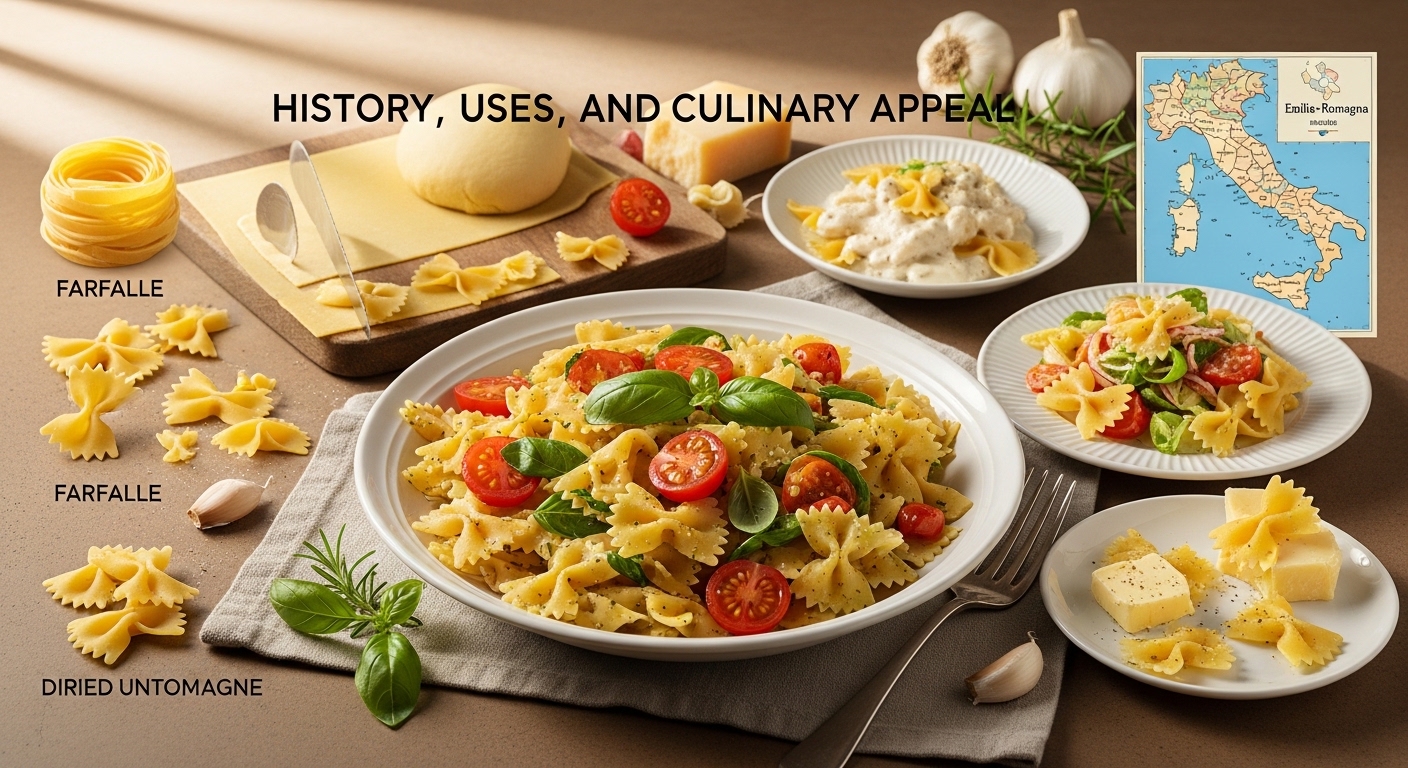
Farfalle is one of the most recognizable pasta shapes in the world, admired for its charming appearance and versatile culinary uses. Often referred to as bow tie pasta due to its distinctive shape, farfalle adds both texture and visual appeal to a wide range of dishes. Originating from Italy, this pasta variety has become popular in kitchens globally. Its unique design allows it to hold sauces effectively while maintaining a pleasant bite. Whether served in warm meals or refreshing salads, farfalle continues to be a favorite choice for home cooks and professional chefs alike.
The Origin and Meaning of Farfalle
The word farfalle means butterflies in Italian, a name inspired by the pasta’s delicate, winged shape. This pasta originated in the northern regions of Italy, particularly Lombardy and Emilia-Romagna, where creative shaping techniques were common. Traditionally made by pinching the center of a small rectangular piece of dough, farfalle was designed to combine beauty with practicality. Its structure provides both thicker and thinner sections, offering varied texture when cooked. Over time, farfalle spread beyond Italy and became widely embraced in international cuisine, maintaining its cultural heritage while adapting to diverse culinary traditions.
The Unique Shape and Texture of Farfalle
Farfalle stands out because of its symmetrical bow tie form, which features a pinched center and gently flared edges. This design is not only decorative but also functional. The thicker middle portion remains slightly firmer when cooked, while the thinner edges become tender. This balance creates an enjoyable texture in every bite. The ridges often found on some versions of farfalle further enhance its ability to hold sauces. The combination of shape and texture makes farfalle suitable for both creamy and light sauces, ensuring consistent flavor distribution throughout each dish.
How Farfalle Is Traditionally Made
Traditional farfalle is made from durum wheat semolina and water, forming a firm dough that can hold its shape during cooking. The dough is rolled into thin sheets and cut into small rectangles before being pinched at the center. In artisanal production, this process may still be done by hand, preserving its authentic character. Industrial production uses specialized machines to replicate the traditional method efficiently. The pasta is then dried carefully to maintain quality and texture. This preparation ensures that farfalle cooks evenly and retains its signature shape when boiled.
Popular Dishes Featuring Farfalle
Farfalle is commonly used in a variety of classic and modern recipes. It pairs exceptionally well with creamy sauces such as Alfredo or light tomato-based preparations. Many chefs incorporate farfalle into pasta salads with vegetables, herbs, and vinaigrette dressing, as its shape adds visual appeal. It also works beautifully in baked dishes combined with cheese and vegetables. Because of its balanced texture, farfalle complements both delicate seafood sauces and hearty meat-based recipes. Its adaptability has contributed significantly to its popularity in international kitchens.
Nutritional Value of Farfalle
Farfalle, like most pasta made from durum wheat semolina, provides carbohydrates that serve as an important energy source. It also contains moderate amounts of protein and small quantities of essential minerals. Whole wheat versions of farfale offer additional fiber, supporting digestive health. When paired with vegetables, lean proteins, and healthy fats, farfale can form part of a balanced meal. Portion control and ingredient selection play key roles in maintaining nutritional balance. By combining farfale with nutrient-rich ingredients, individuals can enjoy satisfying meals while meeting dietary goals.
Tips for Cooking Farfalle Perfectly
Cooking farfale properly ensures the best texture and flavor. It should be boiled in generously salted water to enhance taste. Stirring occasionally during cooking prevents sticking and ensures even heat distribution. Following the recommended cooking time on the package helps achieve an al dente texture, where the pasta remains slightly firm at the center. Draining promptly after cooking prevents over-softening. For cold salads, rinsing briefly under cool water stops the cooking process. Proper preparation highlights the unique qualities of farfale and enhances overall dish quality.
Farfalle in Modern Global Cuisine
Farfalle has successfully transitioned from traditional Italian kitchens to global culinary trends. It appears in fusion dishes that combine diverse flavors and ingredients from different cultures. Chefs often use farfale in creative presentations due to its attractive shape. Its versatility makes it suitable for vegetarian dishes, seafood recipes, and meat-based sauces alike. The pasta’s universal appeal lies in its adaptability to local tastes and ingredients. As global cuisine continues to evolve, farfale remains a reliable and visually appealing choice for innovative meal preparation.
Storing and Preserving Farfalle
Proper storage helps maintain the quality of farfale before and after cooking. Dried farfale should be kept in an airtight container in a cool, dry place to prevent moisture exposure. Once cooked, it can be refrigerated in sealed containers for several days. Reheating gently preserves texture and flavor. Avoiding excessive moisture ensures that the pasta retains its structural integrity. By following appropriate storage methods, individuals can extend shelf life and minimize food waste. Careful preservation maintains the taste and consistency that make farfale enjoyable.
Why Farfalle Remains a Timeless Favorite
Farfale continues to be a favorite pasta shape because it combines aesthetic charm with culinary practicality. Its distinctive form enhances both presentation and texture, making it suitable for countless recipes. The balance between tradition and versatility allows farfale to remain relevant across generations and cultures. Whether featured in a simple home-cooked meal or an elegant restaurant dish, it consistently delivers satisfying results. Its adaptability ensures ongoing popularity in both classic and contemporary cuisine.
Conclusion
Farfalle is more than just a decorative pasta shape. Its rich Italian origins, balanced texture, and versatile applications make it a staple in kitchens worldwide. From traditional recipes to modern culinary innovations, farfale continues to delight with its flavor and visual appeal.


-
 Entertainment5 months ago
OGFap Review: Pros, Cons, and User Experience
-
 Fashion4 months ago
Comme des Garcons: The Iconic Avant-Garde Fashion Brand
-
 Blog5 months ago
i̇ns: Exploring Its Meaning, Values, and Modern Impact
-
 Blog5 months ago
鲁Q 669FD License Plate Lookup – Car History & Vehicle Records
-
 Uncategorized6 months ago
Manga18fz: A Complete Guide to the Trending Manga Platform
-
 Fashion4 months ago
Custom Jersey Printing: Designing Your Team’s Identity with SeamJersey
-
 Life Style4 months ago
The Ultimate Guide to Halloween Contacts for Eyes: Everything You Need to Transform into Your Darkest Character
-
 Technology6 months ago
Simpcit6: Unlocking the Next Phase of Digital Simplicity