
Health
What You Learn Just by Watching: The Quiet Side of Cert 3 in Pathology Collection in Sydney

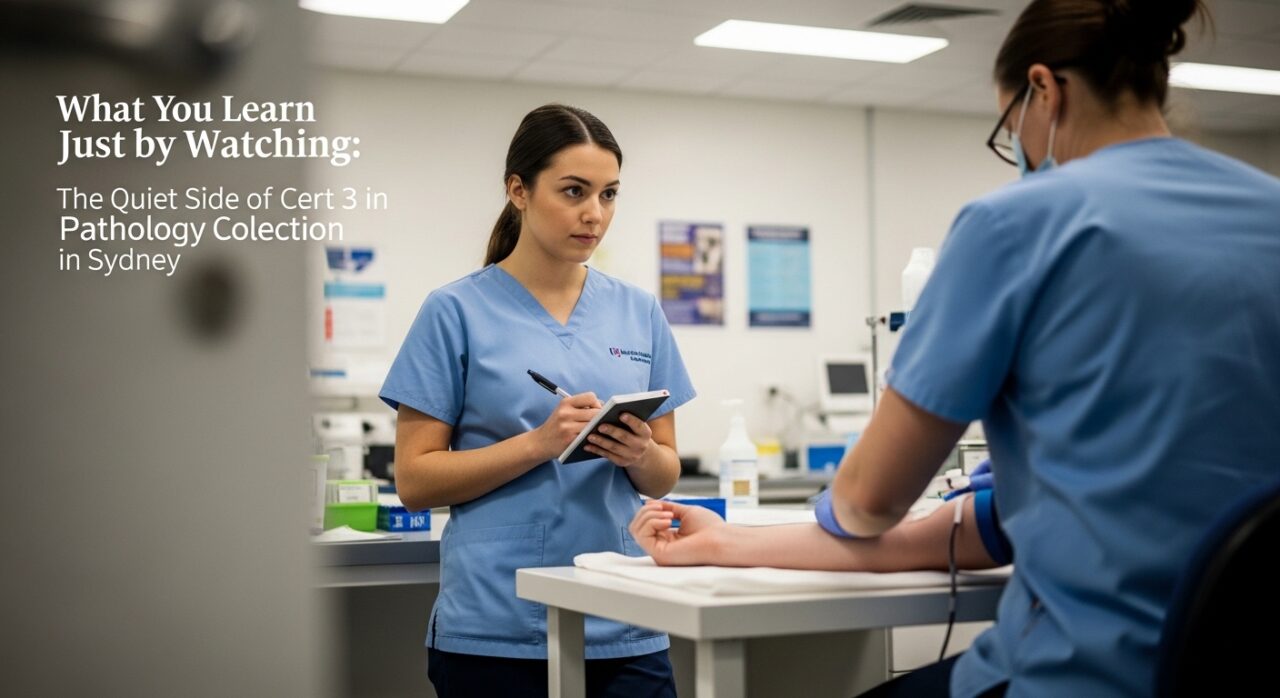
It doesn’t feel like learning at first. You’re just standing there. Slightly to the side. Trying not to be in the way. Someone calls the next patient. Another prepares equipment. A quiet rhythm you haven’t quite stepped into yet.
This is a part of Certificate 3 in pathology collection in Sydney people don’t talk about much. The watching.
It Starts With Standing Back
Early on, you don’t jump straight in. You observe. During Cert 3 in pathology collection in Sydney, this phase can feel… slow. Almost like you’re not doing enough.
But there’s a lot happening. You’re noticing how things are set up. The order of steps. The way experienced collectors move without hesitation. It doesn’t feel like learning. But it is.
You Notice Hands Before Words
Strange detail. But true. While going through Cert 3 in pathology collection in Sydney, one of the first things you start watching closely is hands.
How equipment is held. How quickly it’s prepared. The small adjustments before a procedure begins. No one explains these things step by step.
You just see them. Again and again. And somehow, they stick.
The Way People Speak Matters More Than You Expect
You might assume the focus is technical. And yes, during Cert 3 in pathology collection in Sydney, that’s important. But when you’re observing, you start picking up something else.
Tone. Not just what’s said, but how. Some staff speak softly. Slower. Reassuring without overdoing it. Others keep it brief and efficient but still polite.
Different styles. And you begin figuring out what feels natural to you.
There’s a Flow You Can’t Learn From Notes
You can read procedures. Memorise steps. But during Cert 3 in pathology collection in Sydney, the real flow of a clinic only becomes clear when you watch it.
Patients come in. Details get confirmed. Equipment is prepared almost automatically. Conversations happen at the same time.
It’s layered. And a bit messy. Not like the neat sequences in training materials.
Small Adjustments Make a Big Difference
This is something you only notice by watching. A slight pause before starting. Repositioning a chair. Changing tone based on how a patient responds.
During Cert 3 in pathology collection in Sydney, these micro-adjustments aren’t always taught directly. But they’re everywhere. You just have to notice them.
You Start Predicting What Happens Next
At first, everything feels reactive. You watch one step, then the next. But as you continue with Cert 3 in pathology collection in Sydney, something shifts.
You begin anticipating. You know what’s coming before it happens. What the next step will be. What might be needed. It’s subtle. But it changes how you learn.
Not Everything Goes Smoothly (And That Helps)
Observation isn’t just about perfect situations. During Cert 3 in pathology collection in Sydney, you also see things that don’t go exactly as planned.
A patient who’s more anxious than expected. A moment of hesitation. A small correction mid-process. And oddly, those moments teach you just as much. Maybe more.
You Learn Timing Without Realising
Timing is hard to explain. It’s not just about speed. During Cert 3 in pathology collection in Sydney, when you watch experienced staff, you notice how they pace things.
When to speak. When to pause. When to move to the next step. It’s not rushed. Not slow either. Just… well-timed.
Confidence Looks Different Up Close
From a distance, experienced professionals look completely confident. But when you’re observing closely during Cert 3 in pathology collection in Sydney, you notice something interesting.
Confidence isn’t loud. It’s steady. Calm. Consistent. No unnecessary movements. No over-explaining. Just quiet control over what they’re doing.
You Pick Up Personal Styles
Not everyone works the same way. That becomes clear during Cert 3 in pathology collection in Sydney when you observe different people.
Some are more conversational. Others more focused and direct. Some move faster. Others take a bit more time with each patient. And you start forming your own approach. Taking bits from each.
It Feels Passive. But It Isn’t
Watching can feel like you’re not contributing. Like you’re just… there. But during Cert 3 in pathology collection in Sydney, this phase is doing more than it seems.
You’re building familiarity. Comfort. Awareness. So when it’s your turn, things don’t feel completely new. Just slightly unfamiliar.
The First Time You Step In Feels Different
After watching for a while, you eventually move from observer to participant. And during Cert 3 in pathology collection in Sydney, that first step in feels… noticeable. Because now, you’re not just seeing it.
You’re doing it. And all those small things you observed start coming back. Not perfectly. But enough.
You Realise How Much You’ve Absorbed
This part usually surprises people. You don’t feel like you’ve learned that much just by watching. But during Cert 3 in pathology collection in Sydney, when you begin doing tasks yourself, things feel familiar.
The setup. The flow. The interactions. You’ve seen it before. Many times.
Observation Never Really Stops
Even once you’re more involved, you keep watching. Quick glances. Small comparisons. During Cert 3 in pathology collection in Sydney, learning doesn’t switch off once you start doing.
It continues alongside it. Watching. Adjusting. Improving.
So… What Do You Really Learn From Watching?
More than expected. Not just the steps. But the feel of the work. How things move. How people respond. How small details shape the experience.
During Cert 3 in pathology collection in Sydney from NK Training, observation fills the gaps that formal training can’t always cover.
And maybe that’s why it matters so much. Because the things you learn quietly, just by watching, are often the ones that stay with you the longest.
The ones you don’t have to think about later. They just… become part of how you work.

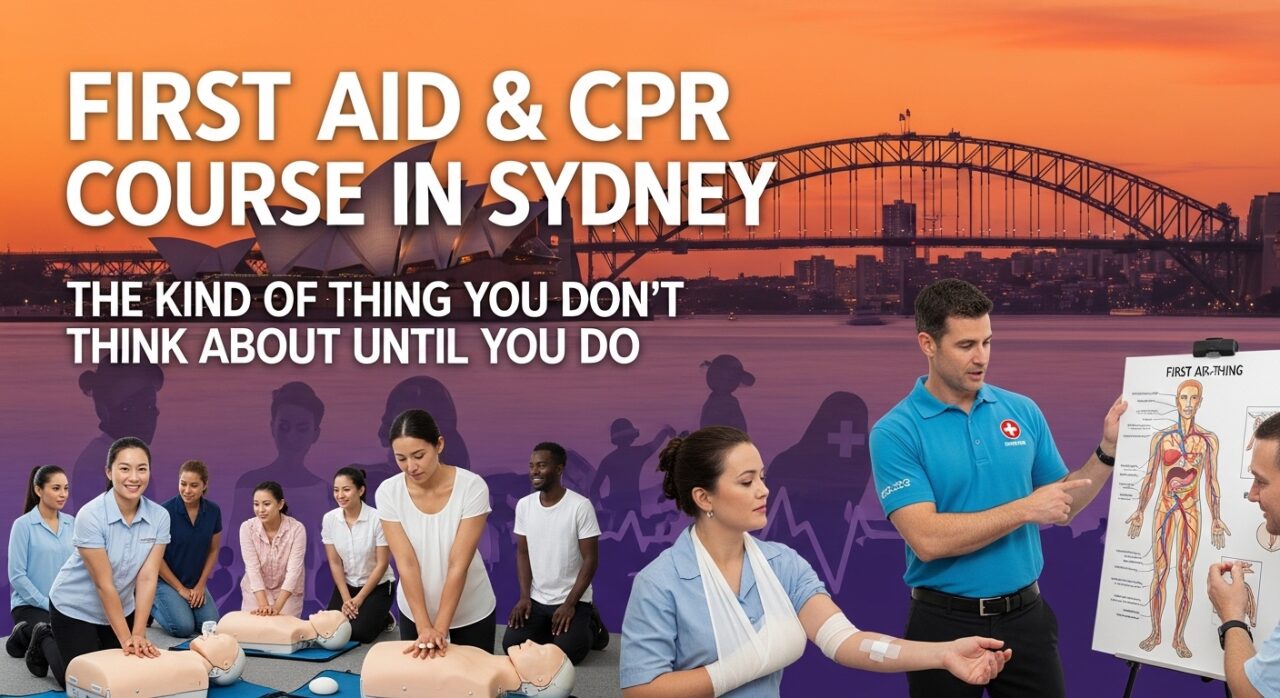
Most people don’t get excited about booking a first aid course. It’s not like signing up for something fun or new. Usually it happens after a small moment. Someone at work says you should have it. A friend mentions they renewed theirs. Or you hear about an accident somewhere ordinary and it sticks with you a little longer than expected.
You start thinking, if that happened near me, I probably wouldn’t know what to do.
That’s honestly how many people end up in a First Aid CPR Course in Sydney. Not because they want to become experts. Just because not knowing feels uncomfortable once you notice it.
Walking In Feels Awkward For About Five Minutes
People imagine a serious environment. Strict rules. Medical jargon everywhere. The reality is quieter than that.
You walk into a room with normal people doing the same thing you’re doing. Someone from an office. A parent. A student. A gym trainer. A childcare worker. Everyone looks slightly unsure at first, which actually makes it easier.
The instructors usually keep things simple. They’re not trying to teach medicine. They’re teaching how to react when things go wrong before professionals arrive. That difference matters because it takes pressure off immediately.
You realise pretty quickly that nobody expects perfection.
It’s More Practical Than Theoretical
There isn’t endless sitting around listening. You get up and practise. A lot.
The first CPR practice always feels strange. Kneeling on the floor, trying to keep rhythm, wondering if you’re pressing hard enough. People lose count. Someone laughs nervously. It feels a bit clumsy and very human.
Then repetition kicks in.
After a while you stop overthinking. Your hands know what to do even if your brain still feels busy. That’s kind of the point. In real situations you won’t have time to analyse everything.
Why CPR Gets Repeated So Much
People sometimes wonder why instructors make you repeat the same steps again and again. It’s because stress changes how the brain works. Simple actions are easier to remember.
Check for response.
Call for help.
Start compressions.
That’s it. Nothing fancy.
The message that comes through clearly is that doing something basic is better than standing there frozen. You’re not expected to fix everything. You’re just helping bridge the gap until emergency services arrive.
That idea relaxes people more than they expect.
The Group Is Always Mixed
Every class seems to have a random combination of people.
Some are there because work requires it. Construction, childcare, hospitality, fitness, education. Others come for personal reasons. New parents, people caring for older relatives, sports coaches, or just someone who feels they should know this stuff.
You realise quickly there isn’t a “type” of person who does first aid training. It’s just everyday people learning something practical.
That makes it feel more approachable.
The Moment It Becomes Real
There’s usually a part of the day when things suddenly feel more serious. Maybe when scenarios are discussed. You realise emergencies aren’t dramatic movie moments. They happen at home, in parks, at shopping centres, at family gatherings.
That thought can feel heavy for a second.
Good instructors bring it back to something manageable. First aid isn’t about being fearless. It’s about staying calm enough to follow basic steps. That shift in perspective helps a lot.
You don’t have to know everything. You just need a starting point.
What You Actually Learn Besides CPR
People often think the whole course is about chest compressions, but it’s broader than that.
You go through choking situations. Bleeding. Burns. Someone fainting or becoming unconscious. Recovery position. How to use a defibrillator if one is nearby. Small things that feel very practical once you practise them.
Nothing feels overly technical because everything connects to real situations you could imagine happening around you.
The Awkwardness Fades Faster Than Expected
In the beginning, people hesitate. They’re worried about getting steps wrong or looking silly.
Then the room changes. People start helping each other remember things. Someone forgets a step and everyone laughs lightly instead of stressing. The pressure drops.
By the end, the same people who looked nervous at the start are usually moving through steps more confidently without thinking too much about it.
Confidence Shows Up Quietly
Here’s something people mention afterwards. You don’t walk out feeling like a hero or expert.
You just feel… steadier.
Maybe a few weeks later someone nearby feels faint and you notice your brain goes into calm mode instead of panic. You start thinking through what you learned automatically.
That shift isn’t dramatic. It’s subtle. But it feels important.
Why Refreshers Matter
Most people forget details over time. That’s normal. CPR especially relies on repetition, which is why refresher courses exist.
When people come back later, they usually realise more stayed in their memory than they expected. The nervousness disappears faster. The steps come back quickly.
It becomes less about learning from zero and more about keeping the skills fresh.
Choosing A Course In Sydney
There are plenty of options across the city. Most people pick something close to home or work because convenience makes life easier.
Beyond that, simple things help. Smaller classes mean more hands on time. Clear instructors matter more than fancy rooms. A relaxed atmosphere makes people more willing to ask questions.
The best courses feel practical and down to earth, not overly formal.
What Stays With People After It’s Done
Months later, people don’t remember every detail word for word. What stays is the feeling that they’d at least know where to begin.
You remember that first awkward practice turning into something familiar. You remember realising that emergencies aren’t about knowing everything, they’re about staying calm and doing what you can.
That mindset tends to stick.
Why People Say It’s Worth It
Nobody takes a First Aid CPR Course in Sydney from NK Training hoping to use the skills. Everyone hopes they never have to.
But there’s something reassuring about knowing that if something did happen, you wouldn’t just stand there waiting for someone else. You’d have a first step. You’d know how to help, even in a small way.
And maybe that’s the real reason people recommend it afterwards. Not because it’s exciting or impressive. Just because it makes you feel a little more capable in situations where calm matters more than anything else.

People rarely say it cleanly. They don’t sit down and decide they need coordination. What usually happens first is a feeling that things are slightly off—not broken exactly. Just harder than they used to be, phone calls drag. Plans feel vague. Support exists, but it doesn’t quite land where it’s meant to.
In Adelaide, that’s often how Support Coordination in Adelaide enters the conversation. Casually at first. Almost as an aside. Someone mentions it. Someone else shrugs. Then a few weeks later, it comes up again, after something else goes wrong.
By then, people are usually tired. Not desperate, just worn down enough to want things to feel simpler.
What People Actually End Up Using It For
On paper, coordination sounds organised. Structured. Helpful in a very official way. In reality, it’s messier than that.
Support coordination in Adelaide is often used for things that don’t feel big enough to be a crisis, but won’t go away on their own either. A provider who technically fits but never quite shows up correctly. Supports that overlap in strange ways. A plan that looks fine but doesn’t translate into day-to-day life.
A lot of the work is quiet and repetitive. Clarifying the same thing more than once. Following up. Untangling assumptions. It doesn’t feel like progress while it’s happening, but it stops things from sliding backwards.
Timing Seems to Matter More Than the Label
People often ask whether someone needs coordination, as if it’s a fixed category. In practice, it helps clarify expectations and encourages engagement.
Support coordination in Adelaide becomes useful around change. New plans. New needs. Old supports that quietly stop working. During those periods, having someone hold the shape of things can prevent everything from collapsing into confusion.
Later on, people sometimes step back from it. Or use it less. Or keep it lightly involved. None of that is wrong. It’s just how lives tend to move.
Local Knowledge Does a Lot of the Heavy Lifting
Knowing the NDIS rules matters, but it only gets you so far. What often helps more is understanding how things actually work locally.
Support Coordination in Adelaide relies heavily on local knowledge, knowing which services are overwhelmed or have long waitlists, helping the audience feel assured that their support is tailored and effective.
This kind of knowledge doesn’t live in documents. It lives in patterns, conversations, and experience. It saves people from running into the same walls over and over.
The Line Between Help and Too Much Help Is Thin
One awkward part of coordination is how involved it should be. Too little feels like being left alone. Too much can feel uncomfortable, even when intentions are good.
Support coordination in Adelaide works best when it bends a bit. Some people want clear direction when everything feels heavy. Others wish to someone nearby, not hovering.
That balance changes. What feels right one year can feel wrong the next. Coordination that works notices that shift instead of sticking rigidly to a role.
Progress Rarely Feels Straightforward While It’s Happening
From the outside, it can look neat. Supports connected. Goals moving. Boxes ticked. From the inside, it’s usually slower and less confident.
Support coordination in Adelaide often involves pauses, missteps, and adjustments that don’t feel like progress at the time. Providers fall through. Needs change mid-plan. Things that were supposed to help end up needing help themselves.
It can be frustrating. Especially when effort doesn’t bring immediate relief. But it’s also realistic. People’s lives aren’t linear, and, through the process, with patience and understanding of feelings, the audience sees the helping progress and adjustments that don’t feel like pauses, even as the often-coordinated support unfolds.
When Things Go Quiet, in a Good Way
Sometimes, coordination fades into the background. Not because it’s gone, but because it’s no longer reacting constantly.
Support coordination in Adelaide can reach a point where things just hold. Communication flows. Supports make sense. Life isn’t perfect, but it’s manageable. Ironically, that’s often when people start wondering if coordination is still needed.
Sometimes it isn’t. Sometimes it quietly keeps things steady. Either way, that quiet is usually the goal.
Final Thought
Support coordination in Adelaide isn’t a one-size-fits-all solution; costs and funding options vary. Understanding what is covered and how to access funding can help reduce worries and make engaging with the service easier.
Support coordination in Adelaide from Aeon Disability Services also doesn’t need to feel impressive to matter. If it makes the system a little less exhausting to deal with, that’s often enough. For many people, that slight easing is the difference between coping and constantly catching up.
And maybe that’s all it needs to be.
-
 Entertainment6 months ago
OGFap Review: Pros, Cons, and User Experience
-
 Fashion5 months ago
Comme des Garcons: The Iconic Avant-Garde Fashion Brand
-
 Blog6 months ago
i̇ns: Exploring Its Meaning, Values, and Modern Impact
-
 Blog6 months ago
鲁Q 669FD License Plate Lookup – Car History & Vehicle Records
-
 Uncategorized6 months ago
Manga18fz: A Complete Guide to the Trending Manga Platform
-
 Life Style5 months ago
The Ultimate Guide to Halloween Contacts for Eyes: Everything You Need to Transform into Your Darkest Character
-
 Fashion4 months ago
Custom Jersey Printing: Designing Your Team’s Identity with SeamJersey
-
 Technology6 months ago
Simpcit6: Unlocking the Next Phase of Digital Simplicity